



CONTACT US

PRODUCTS

FOREST & FIREWOOD

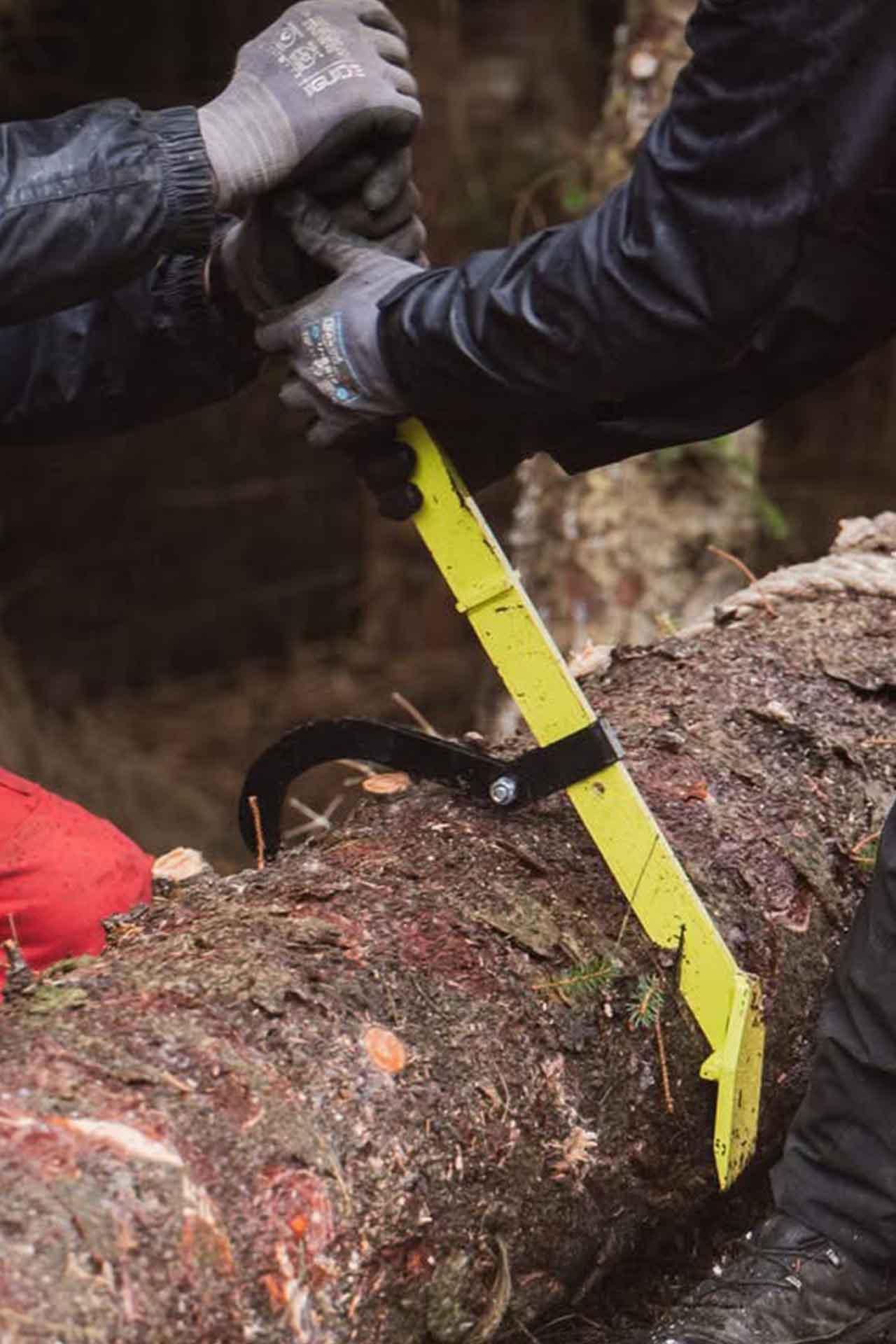
FOREST & FIREWOOD

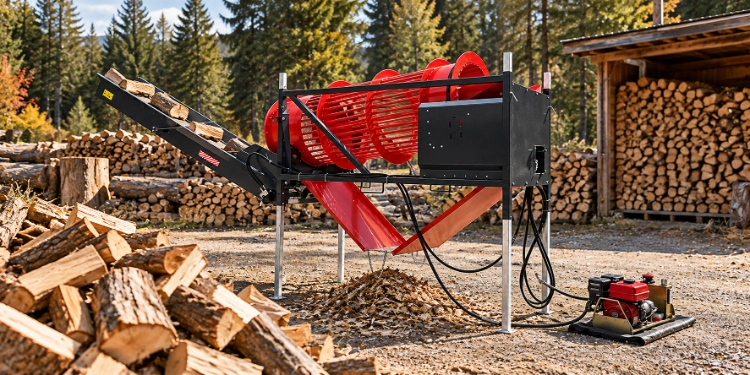
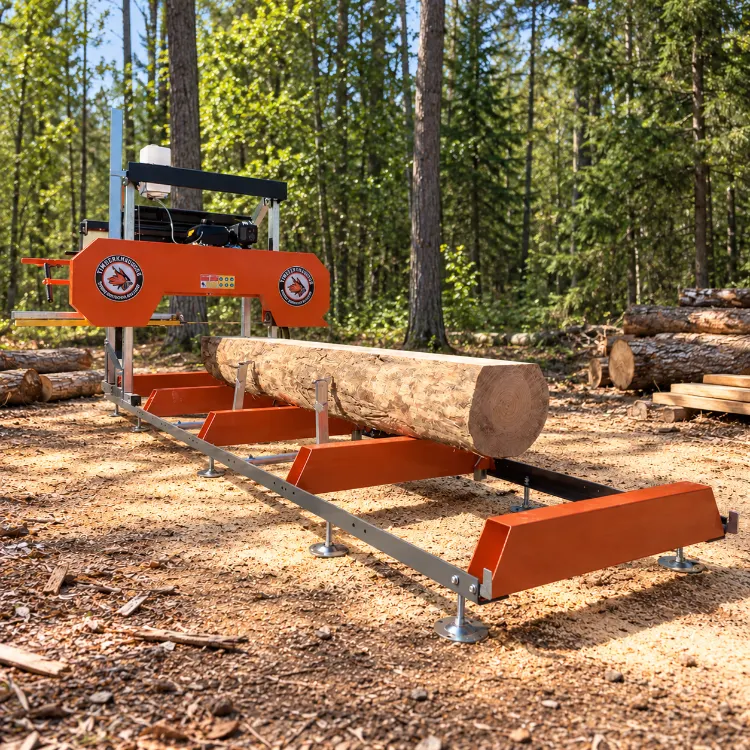
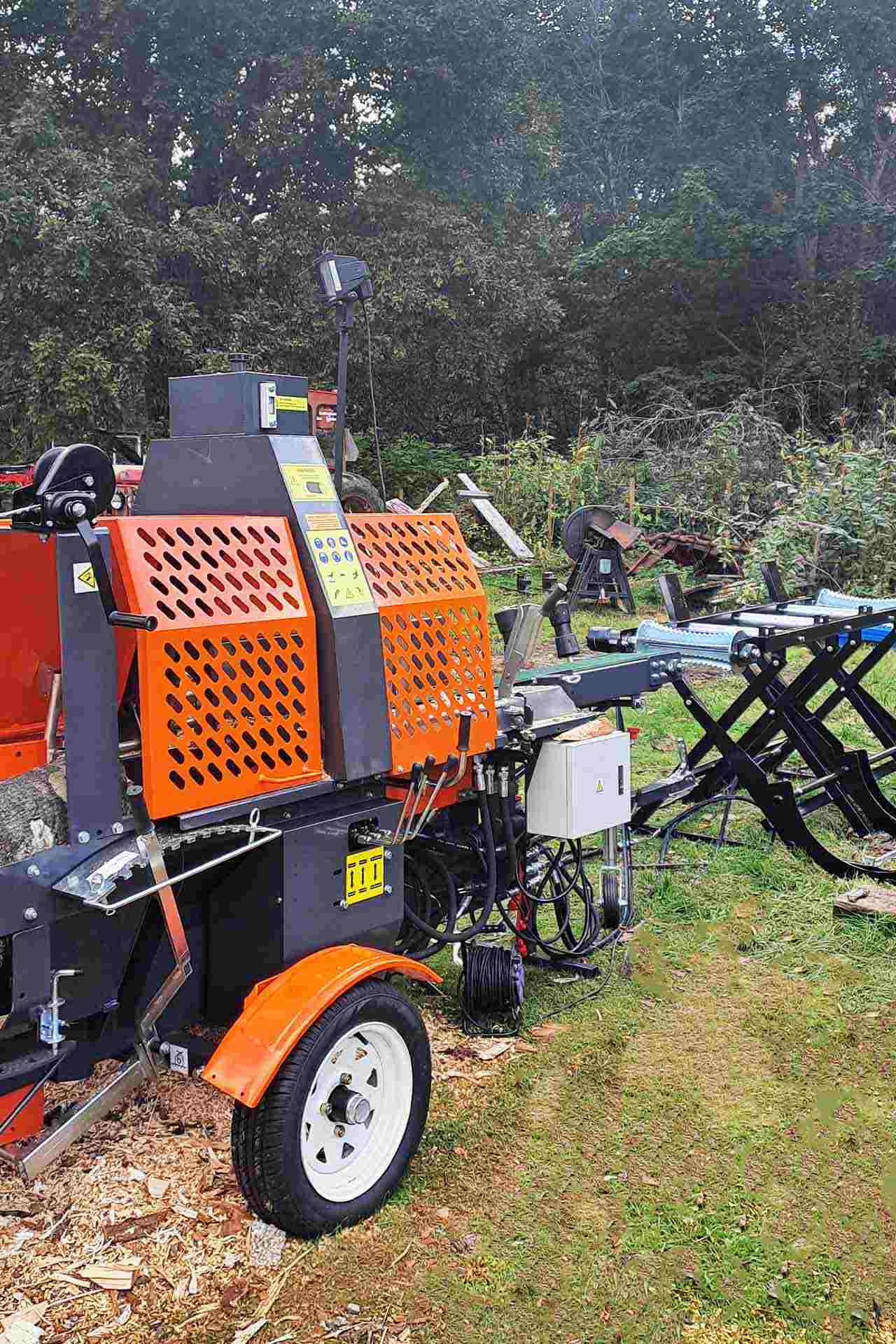
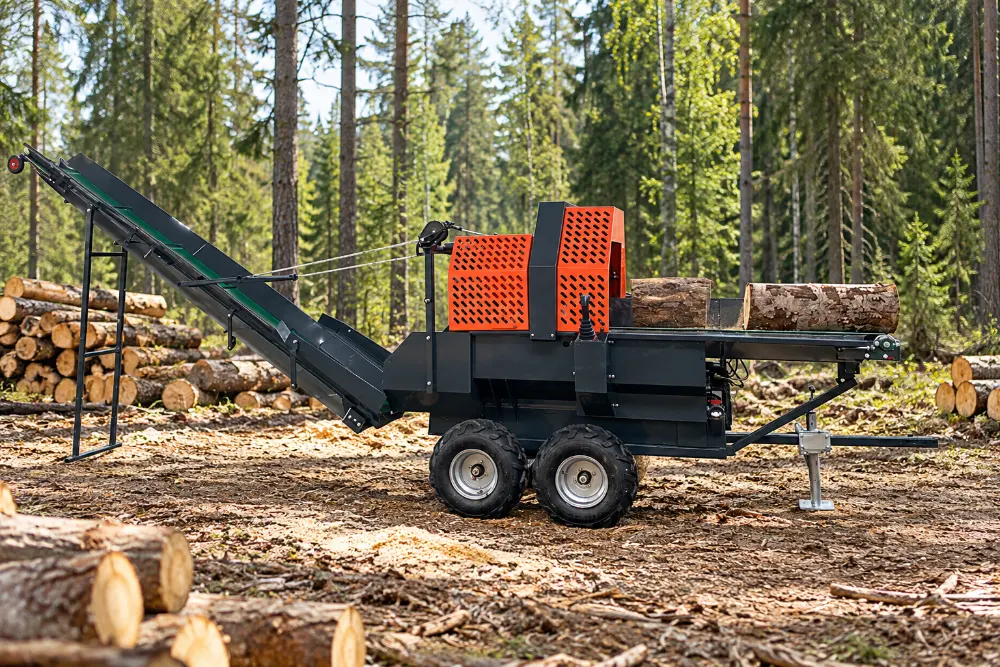
RIMA offers a complete line of forestry equipment engineered for logging, wood processing, and material handling. Our products include log splitters, log grapples, saw mills, and more — all designed to deliver reliable performance in demanding forestry operations. Whether for commercial or personal use, RIMA forestry machines ensure efficiency, safety, and precision in every task.
AGRICULTURE

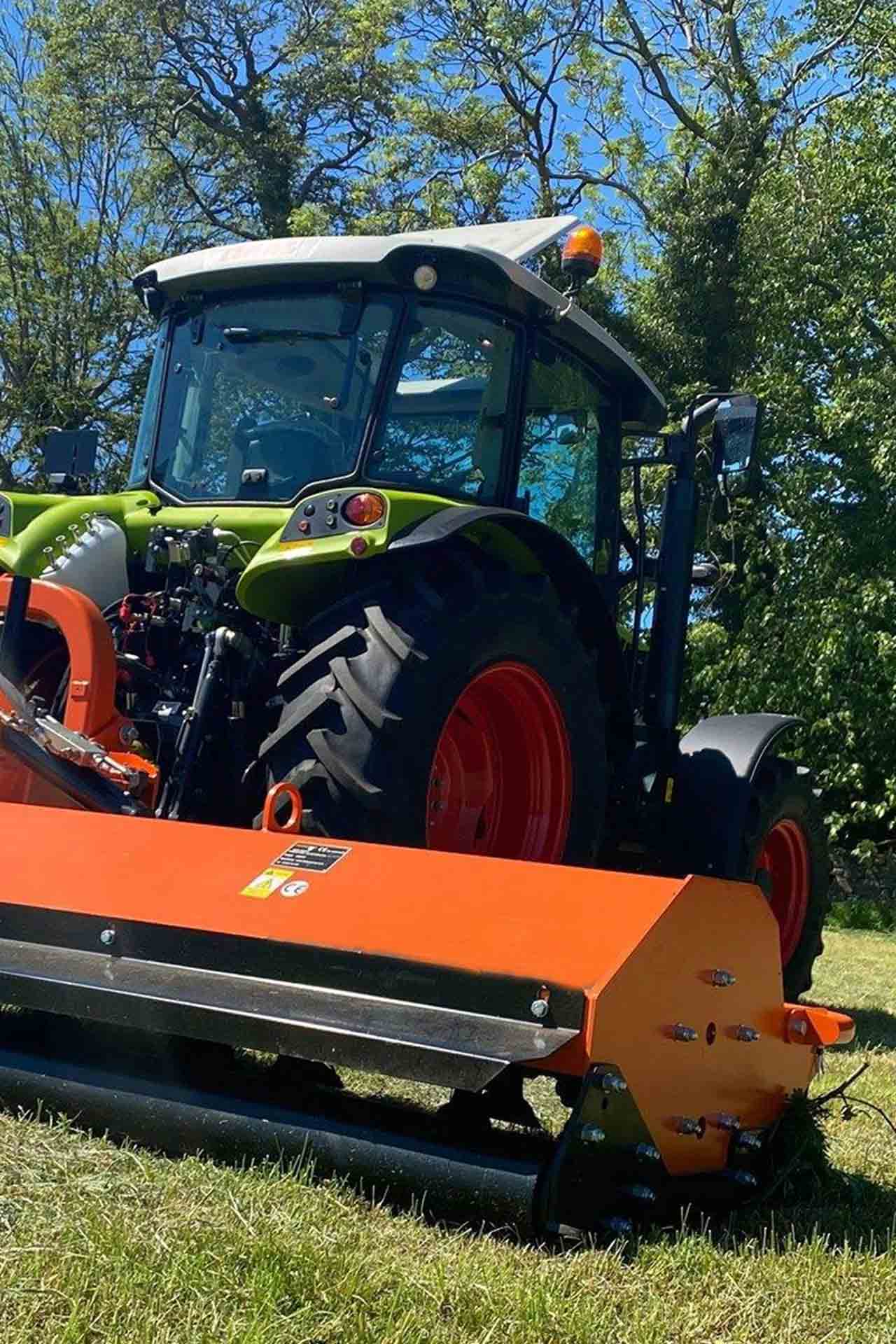
AGRICULTURAL

RIMA agricultural machinery is designed to make fieldwork easier, faster, and more efficient. Our range includes grass mowers, tillers, mulchers, and other essential farming tools ideal for land preparation, maintenance, and crop management. Built for durability and performance, these machines help farmers achieve higher productivity with less effort.
HYDRAULIC PARTS

HYDRAULIC

RIMA Hydraulic Parts are engineered for heavy-duty timber and stone-handling applications. Designed for stable hydraulic control, high load capacity, and long service life, our components ensure reliable performance when paired with stone grapples and timber grapples in demanding work environments.
CONSTRUCTION

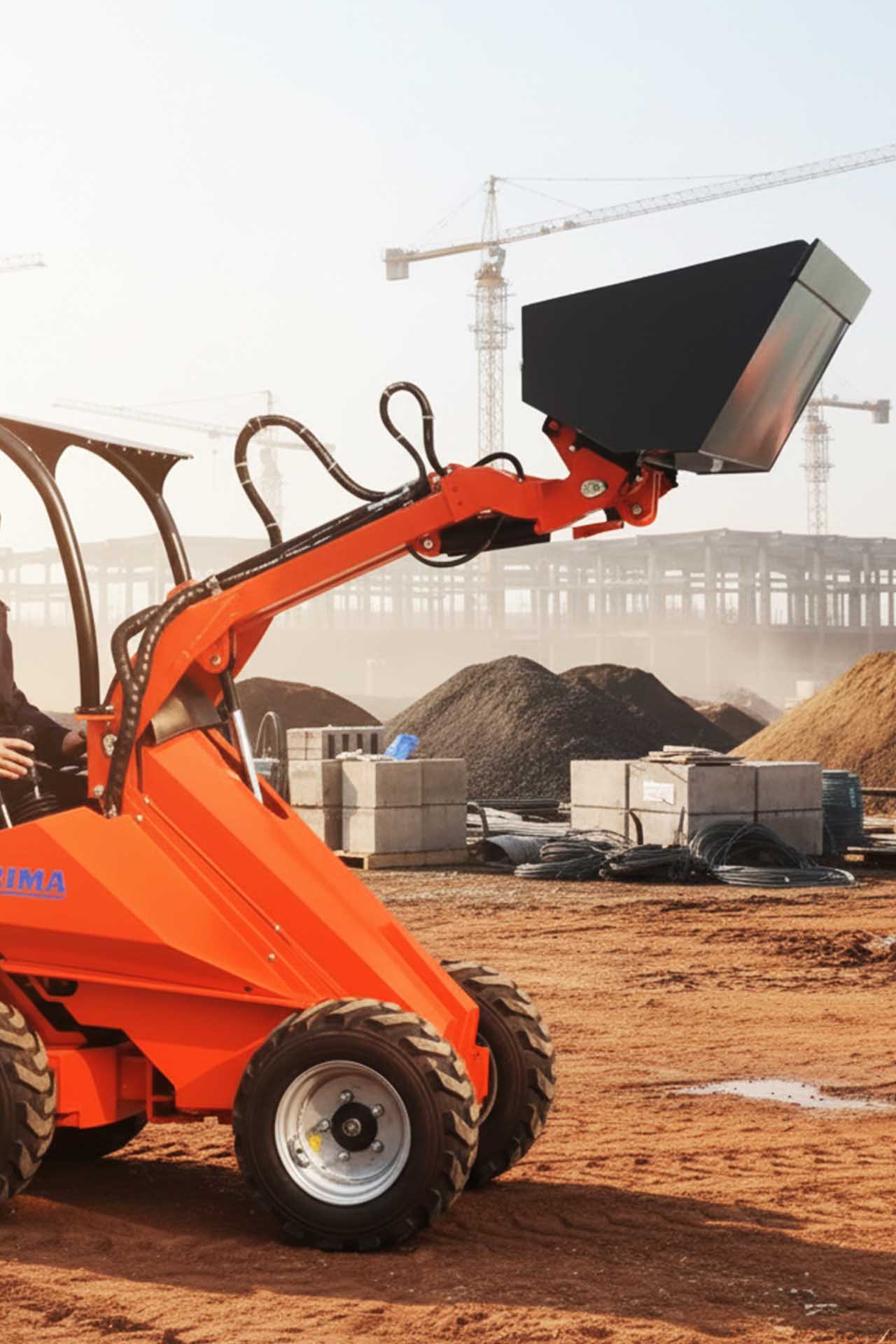
CONSTRUCTION

RIMA mini construction machines are compact, powerful, and versatile — perfect for small-scale projects and tight job sites. The lineup features mini excavators, mini loaders, mini cranes, and other multifunctional equipment to support construction, landscaping, and material handling needs. RIMA’s mini machinery combines performance with easy operation, offering great value for professional contractors and homeowners alike.
SNOW-BLOWER

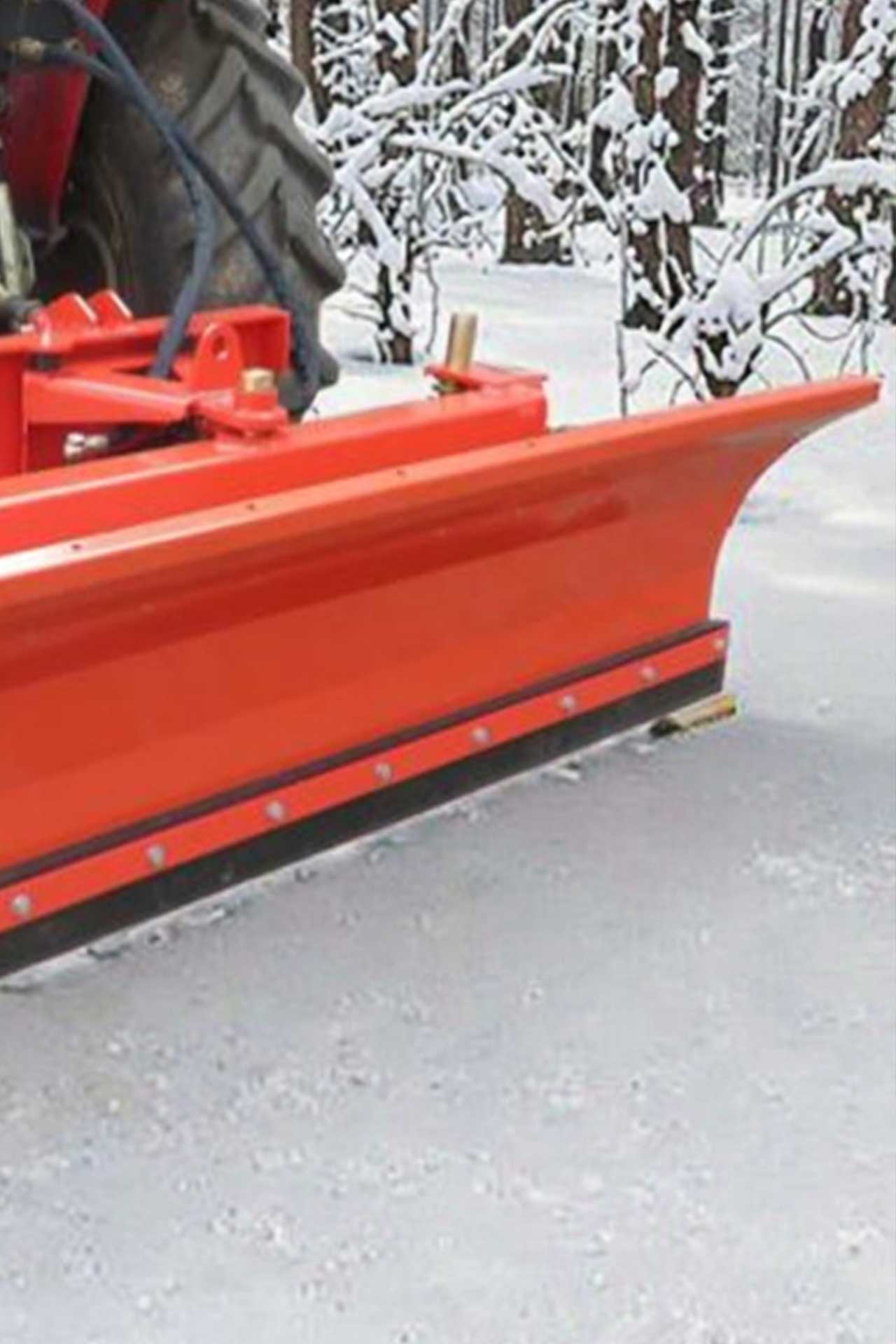
ROAD /SNOW/ICE

RIMA snow removal solutions are built to tackle harsh winter conditions. From snow blowers to snow blades, our equipment helps clear driveways, roads, and open spaces efficiently. With robust construction and user-friendly designs, RIMA snow equipment ensures safe and effective snow management all season long.
ATTACHMENTS

ATTACHMENTS

RIMA timber attachments are engineered for durability and precise fit. compatible and quality-tested, they simplify installation, boost handling efficiency, and ensure reliable uptime for forestry equipment.
- CLIENT FAQ

EVERY CLIENT QUERY

Here, we’ve carefully compiled the most frequently asked questions and concerns you encounter while using the product. Each answer is designed to be detailed and easy to understand, hoping to remove any obstacles and provide you with a smoother experience.

The three primary hydraulic pump categories are gear, piston, and vane. These convert mechanical force into fluid energy and are critical for industrial machinery operation.

Daily Maintenance: Remove sawdust and debris after every use to prevent buildup Inspect the blade before and after each job Replace or resharpen dull blades promptly

Log splitters serve as practical alternatives for oversized logs incompatible with processor dimensions. Standalone wood chippers and manual splitting tools remain viable for operations with intermittent processing needs.

Training: Operators should be trained and certified. Load Limits: Never exceed the recommended load capacity. Stability: Ensure the trailer is stable before operating the crane.

Maintain correct blade tension and tracking Use wrenches or screwdrivers to detach blades for inspection Inspect blades for signs of damage

RECENT
BLOG ARTICLES

Vertical vs. Horizontal Log Splitters: Which Design is Best for Processing Heavy Hardwoods?

13
May
If you run a commercial firewood business, you already know that splitting massive oak or hickory rounds is very different from processing soft pine. Running standard machines beyond their rated capacity can lead to jammed wedges, damaged cylinder seals, and lost production time. When tackling dense wood, choosing the right machinery becomes the most critical decision you make. You need heavy-duty log splitters built to take on the toughest part of the job. For years, RIMA has worked directly with forestry professionals worldwide as a manufacturer of commercial wood-processing equipment. Rather than relying on off-the-shelf assemblies, RIMA builds customized, high-output solutions that reduce operator fatigue and increase daily cord production. With short cycle times and ergonomic designs, their machines help turn backbreaking work into a more efficient and profitable operation. Now let’s compare the two main splitter designs and see which one fits your firewood yard best. The Challenge of Processing Heavy Hardwoods Properly seasoned hardwoods offer high heat value for firewood sales, but processing them while green or wet means dealing with high weight, tight grain, and greater splitting resistance. Density and Splitting Resistance Oak, hickory, and maple have dense fiber structures that make them harder to split. A lower-powered splitter may stall, go into relief, or require multiple passes on a knotty 24-inch oak round. You need strong hydraulic force to shear through these tough rounds without stalling the engine or overheating the hydraulic system. Operator Fatigue and Back Strain A freshly cut 20-inch oak round, even at a one-foot length, can easily weigh more than 100 pounds. Lifting these heavy rounds repeatedly over an eight-hour shift can put serious strain on a worker’s lower back. As fatigue builds throughout the day, productivity drops and labor costs rise. The Need for Specialized Equipment Residential splitters quickly fail under this commercial strain. Commercial firewood production requires machines built for high-volume work and large-diameter logs. If the frame flexes or the hydraulic pump struggles under pressure, the machine is not built for commercial hardwood splitting. Horizontal Log Splitters: Pros and Limitations Many operators start with a horizontal splitter because the design is familiar, but its limitations become clear when handling oversized hardwood rounds in a commercial yard. Standard Firewood Processing Output Horizontal models work well when processing straight, uniform softwood logs. They slide the wood across a flat steel beam into a stationary wedge. For light farm work or occasional firewood preparation, this traditional layout is usually sufficient. Challenges with Oversized Hardwood Rounds If you have ever tried to balance a 150-pound twisted oak round on a narrow horizontal beam, you know how difficult it can be. When a heavy, irregularly shaped hardwood round is placed on a horizontal beam, it can easily roll off. Trying to steady a large, uneven round while operating hand controls can create a serious safety risk. Space and Conveyor Integration Restraints Attaching an output conveyor to a traditional horizontal machine requires awkward positioning. Basic horizontal splitters are not always designed for smooth conveyor integration, especially when handling irregular oversized rounds. Split wood may fall unevenly from the end of the machine, making it harder to feed pieces cleanly onto a conveyor or into a truck bed. Why Vertical Designs Help with Heavy Hardwood Rounds To address lifting and stability issues, many commercial firewood producers have moved toward vertical designs for heavy hardwood splitting. Natural Gravity Alignment A vertical design uses gravity to your advantage. The heavy round sits flat on a solid steel base plate, giving the operator a more stable working position. There is no need to balance the log on a narrow beam before the wedge comes down. The base plate gives the round a more stable resting point, reducing the need to balance it on a narrow beam. Enhanced Operator Safety and Ergonomics Instead of bending over a low beam, operators can work in a more upright position. The operator can roll or slide the log onto the cutting plate instead of lifting it onto a beam. This helps reduce injury risk and keeps the crew working at a steadier pace throughout the day. Handling Massive Hardwood Rounds A vertical machine is better suited for thick, knotty rounds that are difficult to lift or balance. If a round is too heavy to lift, it can remain supported on the base plate while the wedge splits through it. The machine’s heavy-duty frame absorbs the splitting force instead of placing that burden on the operator. Key Features to Look for in a Hardwood Log Splitter Choosing the right orientation is only the first step. To run a profitable firewood operation, a modern log splitter needs commercial-grade features that support consistent, high-volume production. Fast Cycle Times for Higher Commercial Output In firewood production, every second affects output and labor cost. A standard machine takes 15 seconds to complete a full stroke. Waiting for the wedge to return can significantly reduce daily output. For commercial operations, cycle times under 5 seconds help keep material moving continuously. Hydraulic Log Lifts for Pain-Free Loading High-volume production is difficult when operators have to load every round by hand. A hydraulic log lift raises heavy rounds from the ground and positions them directly on the work table. This feature can turn a strenuous two-person task into a more manageable one-person operation. Hands-Free Operation Mechanisms Many modern commercial splitters use foot-pedal controls. With foot-pedal controls, the operator can keep both hands free to position the log safely. This helps speed up positioning while keeping hands farther from the splitting zone. Why the Super20 Works Well for Many Commercial Hardwood Applications A machine that combines vertical splitting, fast cycle times, and hydraulic lifting can greatly improve hardwood processing efficiency. 20-Ton Commercial Splitting Power The Super20 delivers 20 tons of splitting force, making it suitable for many dense hardwood rounds cut to standard firewood length. It offers a practical balance of splitting power and fuel efficiency for dense oak and similar hardwoods. 3-Second Fast Cycle Time Minimize waiting time between splits. Powered by commercial-grade engines, the machine delivers a fast 3- to 4-second cycle time. (On the GX630-powered version, the Super20 reaches a 3-second cycle time, while the 14HP Kohler version delivers a 4-second cycle time.) Upgrading to a high-speed log splitter can significantly increase hourly production. Feature / Specification Standard Horizontal Machine The Super20 Average Cycle Time 15 seconds 3 to 4 seconds Hourly Output (Estimated) 0.8 Face Cords 2.5 Face Cords Loading Method Manual Lifting Hydraulic Log Lift Control Method Hand Levers Hands-Free Foot Pedal Vertical Design with Foot Pedal Control This unit uses a vertical design and an intuitive foot-pedal control system. It also includes a built-in swing conveyor, allowing freshly split wood to move directly into a truck or storage bin without being handled again. Partner with RIMA for Your Firewood Business Needs Upgrading your yard equipment requires a manufacturer that supports its products long after the sale. Proven Case Studies in Forestry Seeing equipment perform in real firewood-yard conditions is important. You can review the Cases page to see how these machines help firewood businesses increase daily cord production when handling heavy timber. Comprehensive After-Sales Service Heavy machinery requires solid backing. Through RIMA’s service network, customers can access wear parts, maintenance guidance, and technical support to reduce downtime. Custom Solutions and Contact Information Every firewood yard operates differently depending on local timber species, log size, and production targets. If you are ready to reduce labor strain and improve production efficiency, visit the Contact Us page. The technical team can help match your wood types and production goals with a suitable industrial setup. FAQs Q: Can vertical Log Splitters handle wet or unseasoned hardwood? A: Yes. Wet hardwood is incredibly heavy and fibrous, but a vertical design allows you to stabilize the massive weight firmly on the ground plate while the high-tonnage wedge shears right through the tough, stringy grain. Q: How much does a 3-second cycle time actually improve daily output? A: Moving from a 15-second cycle to a 3-second stroke essentially eliminates operator waiting time. You can process nearly three times the amount of wood in a standard eight-hour shift, directly lowering your labor costs per cord. Q: Is it safe to use a foot pedal control? A: Absolutely. Foot pedals actually increase workplace safety by allowing you to keep both hands firmly on the wood to guide it into place. This keeps your hands highly visible and well away from the cutting wedge during the active stroke.  

Why Fully Hydraulic Sawmills Are the Biggest Trend in Forestry for 2026

06
May
The forestry industry is evolving rapidly. If your operators are still rolling logs by hand, you are actively losing money. The clear shift towards higher efficiency makes a fully Hydraulic Sawmill the most critical upgrade for any serious commercial milling operation in 2026. Far from merely saving your back, this change boosts board footage a lot. At the same time, it lowers labor costs. When assessing your equipment options, focus on the machinery that actually drives revenue. Think about RIMA. This main producer holds about 15 years of strong field knowledge. It provides comprehensive, one-stop solutions for farm and forestry machinery worldwide. Their dedicated technical team continually upgrades designs based on real-world field feedback, resulting in exceptionally durable and high-performing equipment. Products span solid sawmills and log splitters to targeted tree tools. Each follows firm 6S quality standards. Active in Europe, North America, and farther, they go beyond sales. Tailored OEM and ODM services are backed by responsive support to keep your operations running smoothly. The Shift Towards Automation in Modern Forestry No longer is it necessary for four people to frequently wrestle heavy timber. The field confronts facts on staff and results demands. This pushes fast uptake of automated milling systems. Rising Labor Costs and Shortages Finding reliable, skilled labor to handle massive logs is becoming nearly impossible. Manual mills require a full crew to load, turn, and clamp the timber, which cuts deep into your margins. The constant heavy lifting simply burns out your workers, slowing down the entire process. Demand for Higher Production Rates Buyers seek speedier handling. Custom home builders and furniture makers demand precise cuts with fast turnaround times. Traditional manual methods simply can’t keep pace. Spend twenty minutes adjusting a heavy cant by hand, and your daily yield drops significantly. Importance of Operator Safety Manual log handling directly leads to workplace injuries. Rolling a 36-inch hardwood log with a peavey is dangerous work. Hydraulic systems replace brute force with mechanical power, drastically reducing the risk of crushed fingers or blown-out backs. A safer worksite means fewer work-stopping accidents. Operations stay even and reliable. Core Advantages of Fully Hydraulic Sawmills A true Hydraulic Sawmill changes the entire dynamic of milling, transforming backbreaking labor into a streamlined, single-operator job. Effortless Heavy Log Handling Lifting and turning massive logs manually is the biggest bottleneck in traditional milling. Hydraulic parts erase this snag. Consider the RS36G Deluxe. It employs a strong hydraulic log raiser that handles 2000kg lifts. So one handler almost loads a large 36-inch log straight to the bed with ease. Precision and Consistent Quality Cutting perfectly flat boards requires the timber to be held absolutely rigid. Heavy-duty hydraulic clamps lock the material securely in place against the blade. Furthermore, hydraulic toe boards allow for precise leveling of the log’s pith. Maximizing Daily Output Cut hand work from log moves, and yields soar. Instead of fighting the load, the operator focuses entirely on the cut. Auto parts manage the weight. The unit handles more logs hourly. That raises sellable board amounts daily. Key Hydraulic Features that Drive Profitability The right hydraulic components dictate how fast you can turn raw timber into cash. Powered Saw Head Controls Manually pushing a heavy saw head slows down the entire cycle. Drive controls enable handlers to guide the head up, down, ahead, and back with smooth precision. Fast, single-action adjustments keep the workflow steady and minimize downtime between cuts. Hydraulic Log Turners and Clamps Rotating a heavy cant for the next square cut is effortless with a hydraulic steel log turner. Once positioned, heavy-duty hydraulic clamps lock the material in place. These clamps adjust easily as the log’s diameter decreases, providing a firm grip that prevents shifting and delivers consistently true cuts. Advanced Auxiliary Rolling Systems Moving heavy slabs or cants along the bed frame can be a struggle. Add-on roll systems, linked to toe rests, allow handlers to move stock with little effort. It stops catches and maintains easy milling, even on very heavy or odd shapes. Mobility Meets Power: The Portable Hydraulic Solution Sometimes the timber can’t come to you; you have to go to the timber. Combining hydraulic power with a mobile chassis offers a massive advantage for contract millers. Taking the Mill to the Timber Hauling vast raw logs to fixed mills costs much and complicates logistics. Wheeled rigs let direct trips to cut areas or client lands. Milling on-site eliminates heavy haulage fees. You leave the waste materials behind in the forest, transporting only the valuable, finished lumber. Commercial-Grade Towing Systems Wheeled mills endure bumpy wood trails. The RS36G-Deluxe(Hydraulic+Portable) rests on a sturdy trailer base. It features a torsion axle suspension system, large 14-inch wheels with fenders, and a full LED light kit. The build supports safe road moves and lasts on rough ground. Quick Setup and Deployment Time spent setting up is time not spent cutting. Professional portable mills feature heavy-duty support jacks—usually six of them—for rapid leveling on uneven ground. This quick deployment means you can pull up to a site, drop the jacks, level the bed, and start cutting in under ten minutes. It extends work time fully. See build gaps in this side look at common setups: Feature Entry-Level Manual Mill Commercial Hydraulic Mill (e.g., RS36G-HD) Max Log Diameter 20 – 26 inches 36 inches   Log Loading Manual / Winch Hydraulic Lifter (up to 2000kg)   Log Turning Manual Peavey Hydraulic Steel Log Turner   Saw Head Drive Manual Push Powered Forward/Reverse   Daily Output (Est.) 500 – 1000 board feet 2000+ board feet Analyzing the ROI of a Hydraulic Sawmill Investment Auto machines start pricier. Yet payback arrives sooner than many handlers anticipate. Big drops in run costs lead mainly. Reduction in Manpower Expenses Hand mills typically need two or three for safe, smooth work. Hydraulic units reduce to one. By eliminating one or two daily salaries, the machine begins paying for itself immediately. Staff savings often match costs in the first full year. Increased Yield from Large Logs Large wood carries top worth, vital for broad slabs in custom items. Rigs with 36-inch cut space and 209-tooth carbide edge handle prime logs well. Pulling choice wide planks without hassle raises earnings per log a lot. Long-Term Durability and Reliability Pro gear lasts long. Quality welded steel frames and factory motors, such as 27HP Loncin or 11KW electric choices, make the unit endure daily grind. Less repair time means more order work. That builds steady profits. Partner with a Proven Manufacturer for Your Forestry Equipment Needs Gear selection links to partner choice. Producers must grasp wood work’s tough side. Professional Manufacturing and R&D Wins here demand gear that endures. Link with sources using dense steel sheets and exact builds. It ensures units suit big tasks. A focused R&D group keeps tech fresh. Machines fit real site needs, not just display appeal. Comprehensive Global Support Downtime is the enemy of profit. Look for a company that backs its products with robust global service. Quick aid access and proven good case records global ensure no isolation on problems. Dependable aid keeps edges spinning. Get Your Custom Sawmill Solution Today Ready to upgrade your milling operation and increase your daily yield? Whether you need a stationary setup for a large log yard or a mobile unit for contract work, you need the right tools. Contact us to talk how our full hydraulic setups ease processes and advance operations. FAQ Q: How much physical effort is required to operate a Hydraulic Sawmill? A: Very little. The hydraulic systems manage the heavy lifting, including loading, turning, and clamping the logs, allowing a single operator to manage large timber without severe physical strain. Q: Can the RS36G Deluxe handle extreme hardwoods? A: Yes, it is equipped with a powerful engine and uses a durable carbide-tipped blade specifically designed to cut smoothly through dense, large-diameter hardwoods. Q: Is a portable sawmill stable enough for precision cutting? A: Absolutely. Commercial portable models feature heavy-duty steel sub-frames and multiple leveling jacks that create a rigid, stable base, ensuring accurate cuts even on uneven ground.  

4 Key Procurement Criteria for Industrial-Grade Log Splitters in 2026

29
April
If you buy equipment for commercial firewood production, choosing a Log Splitter is no longer just about power and price. In 2026, buyers care more about real output, operator fatigue, mobility on the jobsite, hydraulic speed, and after-sales support. A machine may look strong on paper, but if your crew still has to drag heavy rounds, stop often, or work around awkward controls, production drops fast. For forestry dealers, rental fleets, firewood yards, farms, and wood-processing contractors, the real question is simple: which machine can help your crew stay productive when logs are heavy, the ground is rough, and orders keep coming in? If you are comparing professional forestry equipment, RIMA is a practical name to know. The company designs, builds, and supplies farm and forestry equipment, including firewood processors, sawmills, wood chippers, tree-cutting machines, stump grinders, and log-splitting machinery. Its team works with OEM and ODM buyers across Europe and North America, with machines shaped by durability requirements, field feedback, product testing, and responsive support. That matters because industrial buyers need more than a machine. They need a supplier who can answer technical questions, handle repeat orders, and match each configuration to local working conditions. A strong example for demanding wood-splitting work is the LS37PRO-T, a heavy-duty model with a crawler track system, hydraulic log lifter, hydraulic 4-way box wedge, and integrated control layout. Industrial Log Splitter Buying Priorities in 2026 Commercial Firewood Production Needs Start with the workload you need the machine to handle. A homeowner-grade machine may handle weekend splitting, but commercial production demands more. You need consistent cycle times, strong splitting force, easier material handling, and a frame built for daily use. Under U.S. measurement standards, a full cord of firewood is 128 cubic feet. That number matters because commercial buyers measure output by cords per day, not by one log at a time. If your crew sells by the cord, every delay in loading, splitting, moving, and stacking adds to your cost. Heavy Hardwood Processing Standards Industrial buyers often process oak, hickory, beech, ash, maple, or mixed hardwood. These logs are not always straight, clean, or dry. Knots, crotch sections, twisted grain, and large rounds can slow down lighter-duty machines. This is where the LS37PRO-T starts to make sense for high-volume work. Its 37-ton splitting force and 610mm splitting length make it better suited to large hardwood rounds. The 24HP version comes with a 5.5-second cycle time, 111.6L/min hydraulic pump capacity, a 50L hydraulic tank, a hydraulic oil cooler, and a 5″×24″ hydraulic cylinder. These specifications matter because they influence how smoothly your crew can load, split, and clear wood over a full shift. Product Fit for Professional Buyers The LS37PRO-T is a good fit if you need one machine for tough logs, outdoor yards, and high-volume work. It is built more for commercial yards and professional firewood operations than occasional backyard splitting. That makes it especially relevant for firewood producers, forestry contractors, farms, rural dealers, and rental companies that need stronger splitting power with less manual handling. The best choice is the machine that balances power, handling, mobility, and control. Power alone is not enough. A serious industrial machine also needs easy log handling, jobsite mobility, steady hydraulics, and controls that still feel natural after a long shift. Criterion 1: Splitting Power and Box Wedge Efficiency 37-Ton Splitting Force Splitting force is still the first number many buyers check, and for good reason. A 37-ton rating gives the LS37PRO-T the force needed for dense hardwood, knotty rounds, and twisted grain. In daily work, that can help reduce failed splits, less repositioning, and fewer extra passes. Do not judge a splitter by tonnage alone. If the wedge design is slow, or the pump cannot feed the cylinder fast enough, the machine still wastes time. That is why the hydraulic system and wedge design matter just as much as raw force. Hydraulic 4-Way Box Wedge A standard single wedge divides one log into two pieces. A hydraulic 4-way box wedge can split a suitable round into several pieces in one stroke, depending on log size and positioning. If you sell stove wood, that difference matters every day. You get more finished pieces per cycle and spend less time touching the same log twice. The LS37PRO-T uses a hydraulic 4-way box wedge as standard, with a 160mm hydraulically adjustable wedge height. That gives you more control over piece size, especially when log diameter changes from batch to batch. Faster Multi-Piece Output Here is a quick way to compare what matters in daily production: Procurement Factor Verified Data Point Why It Matters Firewood sales unit 1 cord = 128 cubic feet Output should be judged by volume, not just single-log speed Manual lifting reference NIOSH lifting equation starts from 51 lb, or about 23 kg, under ideal conditions Heavy rounds may quickly exceed sensible manual handling limits LS37PRO-T log lifter Up to 200 kg hydraulic lifting capacity Better for large rounds and long work sessions LS37PRO-T splitting force 37 tons Suitable for dense hardwood and commercial loads LS37PRO-T cycle time As fast as 5.5 seconds on 24HP models Supports steady production when paired with efficient log loading and clearing The NIOSH lifting equation uses a 51 lb load constant under ideal lifting conditions, then adjusts that number down based on reach, posture, twisting, frequency, and grip quality. OSHA also refers to this 51 lb starting point when discussing manual lifting risk. In real firewood yards, logs are rarely ideal loads. That is why mechanical lifting and fewer handling steps are worth paying for. Criterion 2: Jobsite Mobility and Crawler Track Stability Standard Crawler Track System A Log Splitter that cannot reach the work area may look good in a showroom but fail in the yard. Forestry work rarely happens on smooth concrete. You may need to move across mud, gravel, wood chips, slopes, farm lanes, or uneven storage areas. The LS37PRO-T comes with a standard track system. This matters if you want the machine to move around the site without relying on a tractor, ATV, or constant towing. The crawler setup helps the machine move where wheels may sink, slip, or struggle. Rough Terrain Movement Crawler tracks spread the machine’s weight across a wider contact area. In practical terms, that means better grip and lower ground pressure. For firewood yards, woodland edges, farms, and rough storage sites, this can cut setup time and help you position the machine closer to the log pile. It also makes the workflow more efficient. You can bring the splitter closer to the pile and reduce how far your crew needs to move each round. Over a full day, that difference shows up in fuel use, labor hours, and operator fatigue. Stable Forestry Operation The LS37PRO-T weighs up to 1010kg, depending on configuration. With its crawler base and rugged frame, that weight helps the machine stay planted during heavy splitting. A lighter unit may be easier to ship or store, but heavy hardwood work calls for weight, grip, and frame strength. Criterion 3: Labor Reduction and Hydraulic Log Handling 200kg Hydraulic Log Lifter Manual loading is often the hidden cost in wood splitting. Even if the cylinder is fast, the operator still spends time and energy rolling large rounds onto the beam. The LS37PRO-T addresses that pain point with a hydraulic log lifter rated up to 200kg. That feature is not just about comfort. It helps keep production moving. The operator can bring heavy logs from ground level to splitting height with far less strain. Reduced Manual Lifting Risk If your team splits all day, fatigue becomes a safety issue. Tired workers move slower, make more mistakes, and are more likely to get hurt. A hydraulic lifter takes much of the strain out of the hardest part of the job: handling awkward hardwood rounds. For rental buyers, this also matters because users vary in strength, skill, and work habits. A machine with built-in lifting support is easier to rent, sell, and recommend to more users. Continuous Heavy-Duty Workflow Good log handling lets the hydraulic system do more real work. The aim is simple: feed, lift, split, clear, repeat. When the lifter, wedge, pump, and controls work together, the whole process feels smoother, with fewer stops between logs. This is where the LS37PRO-T makes sense as a complete package. The crawler track helps position the machine, the log lifter handles heavy rounds, the box wedge produces more pieces per stroke, and the control layout keeps the operator close to the work. Criterion 4: Operator Control and Hydraulic System Performance Integrated Control Layout Controls can make or break long-shift productivity. If the levers are scattered, stiff, or poorly placed, every cycle takes more effort than it should. An integrated control layout keeps the main functions close at hand, easy to identify, and easy to repeat. For buyers, this is not a small detail. A simple control layout helps new operators learn faster and helps experienced workers keep a steady rhythm. In high-volume work, rhythm directly affects profit. 3-Stage Hydraulic Pump In the 24HP configuration, the LS37PRO-T uses a 3-stage hydraulic pump with up to 111.6L/min, or 29.48GPM, pump capacity. That pump helps the cylinder move quickly while still delivering the force needed when the wedge meets tough wood. This is the kind of detail buyers should compare carefully. A strong cylinder with a slow pump can feel sluggish. A fast pump without enough pressure may stall on hard rounds. The whole hydraulic system has to work together. 5.5-Second Cycle Time Cycle time is easy to overlook until your crew starts tracking output by the day. A 5.5-second cycle time on the 24HP model helps your crew keep a fast pace, especially with the 4-way wedge and hydraulic lifter. The hydraulic oil cooler also matters here. Long work sessions create heat. Heat can shorten component life and weaken performance. A cooler helps the machine stay more consistent during demanding use. Choose the LS37PRO-T for Industrial Log Splitter Procurement One-Stop Forestry Machinery Supplier If you are sourcing for a dealership, rental fleet, or firewood business, the machine is only part of the purchase. You also need stable supply, clear parts support, proper documentation, and people who understand forestry equipment. The manufacturer also offers log splitters, log grapples, sawmills, and other wood-processing equipment. That makes sourcing easier if you prefer one supplier for related machines. Case-Based Buyer Confidence Before you commit, look at real applications, not only product photos. The case section helps you see how the equipment is used in real working conditions. For procurement teams, case references make it easier to compare the spec sheet with real jobsite needs. Service and Contact Support The LS37PRO-T is a practical choice if you need a crawler-based, heavy-duty Log Splitter that reduces manual lifting and improves multi-piece splitting efficiency. It combines 37-ton splitting force, 610mm splitting length, a 200kg hydraulic log lifter, a hydraulic 4-way box wedge, integrated controls, a 3-stage hydraulic pump, an oil cooler, and a standard track system in one work-ready machine. Consider the next steps which are to review available service support and contact the team to discuss configuration, order quantity, proposed delivery destination and lead time. FAQs Q: What Makes a Log Splitter Suitable for Industrial Use? A: An industrial-grade machine should offer high splitting force, strong hydraulics, heavy-duty construction, fast cycle time, safe log handling, and stable operation on demanding jobsites. Q: Why Does a Hydraulic Log Lifter Matter for Commercial Firewood Work? A: It reduces manual lifting, helps the operator handle large rounds, and keeps the work cycle moving. For heavy hardwood, a 200kg lifter is can make loading easier and less tiring. Q: Is a Crawler Track System Worth It for a Log Splitter? A: Yes, if you work on rough ground, farms, forestry yards, or muddy storage areas. Tracks help you move the machine closer to the wood pile, so you spend less time dragging heavy logs.  

How Log Trailers with Cranes Are Supporting Firewood processing in 2026

22
April
At RIMA, we provide complete setups for forestry experts and property owners who demand better gear. Our strength lies in building rugged firewood processors, mobile sawmills, and robust logging equipment that turn difficult tasks into smooth operations. By using thicker steel and robust plates, we ensure each piece of equipment delivers top-notch durability. Our own research and development group keeps improving our range—from firewood processor to log trailer—drawing from actual user input and firm 6S quality checks. If you need custom manufacturing or a dependable tool for your own timberland, our aim is to support you in getting expert outcomes with every slice. If you’re in the firewood business in 2026, you know that speed directly impacts your income. Picking up a Log Trailer with Crane has gone from an extra perk to an essential tool for modest woodlot care. Manually shifting bulky timber is no longer practical. Modern tools let one person manage tons of logs in much less time. This article explains how these trailers are transforming firewood operations in 2026. The Evolution of Small-scale Forestry Logistics Forestry transport has quickly evolved toward smaller, more specialized machines. Large factory gear often proves too cumbersome for personal woodlots or slim paths. As a result, this shift is changing how timber is collected and transported. Shift From Manual Labor to Mechanical Automation Dealing with logs manually often leads to back strain and drags out the job of stacking firewood. Machines enable operators to stand while working, relying on hydraulic power for the heavy lifting. A hydraulic crane significantly reduces the need for manual labor. In turn, it directs effort toward cutting wood instead of struggling with it. Growing Demand for Compact ATV-driven Solutions Today’s property owners tend to favor ATVs or compact tractors. These options have less impact on the ground. Gear must fit this smaller size yet keep strong performance. These setups can reach deep into the woods, areas where large trucks cannot access. As a result, every downed tree becomes reachable. Importance of High-efficiency Transport in 2026 In modern forestry operations, time is a critical factor. Quick transport cuts down on runs and handles bigger batches. A Log Trailer with Crane allows loading, fastening, and hauling logs in one continuous process. Consequently, it reduces the waiting time between the cutting site and the work area. Technical Supremacy of the Compact Series The selected tools must endure tough conditions. Solid construction and smart design characterize the latest batch of timber trailers. The Log Trailer with Crane Advantage The main plus is blending a 3.4m reach crane with a 200 kg lifting capacity at full reach. This reach reduces the need for frequent repositioning. Full 360-degree turns permit exact positioning on the trailer deck, improving loading efficiency. Independent 9HP Gasoline Engine Power Supply Depending only on a tractor’s hydraulic setup can limit hydraulic performance. These trailers include a separate 9HP gasoline engine to power the hydraulics. This standalone unit provide stable hydraulic flow and pressure for smooth crane operation. Thus, the crane operates evenly, even with the towing vehicle off. Hydraulic wheel drive system for Hostile Terrains Grip is often a key challenge in wooded areas. Hydraulic wheel drive system is designed to assist movement in mud, snow, and slopes. Standard trailers would bog down there. Advanced Versatility of the TTC03B Swing Trailer Sharp turns or uneven log sizes can limit the performance of a rigid frame trailer. That’s when targeted design tweaks prove key to smoother work. Telescopic Frame Design for Variable Log Lengths Timber pieces seldom match in length. The TTC03B has an extending trailer structure. It adjusts the load space to fit needs. This adaptability accommodates both short firewood chunks and long poles. No extra large trailer is required. Superior Maneuverability via ±45° Swing Function Weaving past upright trees calls for nimble gear. Articulated or swing drawbar system (±45°) improving maneuverability in tight forest paths. That makes aligning with a log stack in narrow spots much simpler. Enhanced Stability with Hydraulic Foldable Outriggers(depending on configuration) Lifting heavy logs can risk overturning a lightweight trailer without firm support. These units are equipped with manual or hydraulic outriggers (depending on configuration). The supports form a broad, steady foundation on rough surfaces. They allow safe use of the crane’s full strength. Choosing the Right Model for Your Woodlot Terrain Choosing the right equipment depends on the challenges of your land and the required range. The TTC03A and B-model both provide solid output. However, their structures vary. Performance Comparison of TTC03A vs. TTC03B The A-model is a sturdy 4WD hauler with a fixed frame design. It’s perfect for basic pulls on bumpy routes. The B-model includes pivot and extending features. These matter in controlled woods or fruit groves, where exact handling is a must. Feature TTC03A TTC03B Max Loading Capacity 1500 kg   2000 kg   Crane Max Reach 3.4 m   3.4 m   Lifting Capacity (Full Reach) 200 kg   200 kg   4WD Drive System Yes   Yes   Trailer Frame Type Fixed   Telescopic   Swing Function No ±45°   Weight 390 kg   565 kg   Optimized Hydraulic Flow for Smooth Operation Hydraulic setups focus on quick response. Several control valves—up to 9 in certain setups—let users manage the crane, winch, and supports with fine control. This setup keeps a Log Trailer with Crane reliable. It handles heavy, off-balance cargo steadily. Economic Benefits for Independent Firewood Producers Acquiring pro-level tools marks a step toward business growth. Returns stem from higher income and lower costs. Reduction in Manual Labor Costs and Injuries A single medical cost or a month of lost work due to back pain can exceed the price of a durable trailer. The crane takes over the lifting task, protecting the operator’s health and reducing the need for additional workers during loading. Increased Daily Log Output and Transport Volume Without fatigue from manual lifts, longer and quicker shifts become possible. Hauling 2 tons each run shifts focus to processing over repeated drives. With this aid, daily firewood production can be significantly increased. Long-term Durability of High-strength Steel Frames The trailers use paired C-beam frames with reinforced connections. Tough materials and expert welds mean fewer upkeep and fix expenses over time. A durable tool retains its value and operates longer in the field. Elevate Your Forestry Operation With RIMA Solutions Selecting our gear means gaining a committed ally for success. We manage the technical side so focus stays on gathering. Professional OEM and ODM Manufacturing Capabilities We offer customized solutions to customers worldwide, covering markets from Europe to North America. For unique needs on your land, our skilled research team reviews plans and builds gear to precise specs. Comprehensive Support From a Reliable Global Supplier Our bond continues beyond delivery. A strong after-sales network and fast answers to tech issues stand ready. We provide consistent quality control and parts availability to maintain smooth runs. Innovative Product Development Based on User Feedback Top concepts arise from those who operate the tools. Annually, we continuously develop new products based on user feedback. This approach keeps our tools leading in forestry advancements. Check our upkeep guidelines and backing on the Service Page. See real-world examples of our gear through Cases. To update your woodlot with a Log Trailer with Crane, Contact Us now for a detailed estimate. FAQ Q: Can I tow a Log Trailer with Crane with a standard 500cc ATV? A: Yes. These trailers are suitable for towing by ATVs, UTVs, or compact tractors. A 500cc ATV manages the pull, but engage the onboard 4WD for full 2000 kg (1500kg for TTC03A) at most loads on loose or inclined ground. The practical performance depends on terrain, towing capacity, and whether hydraulic drive assist is used. Q: Does the crane require my tractor to be running during operation? A: No. These models include a standalone 9HP gasoline engine. It powers the hydraulic pump, so the crane and winch work without the towing vehicle running or having its own hydraulic links. Q: What is the difference between the TTC03A and TTC03B? A: The TTC03B has a 2000 kg capacity, while the TTC03A is rated for 1500 kg. Additionally, the TTC03B features an extending frame to accommodate different log sizes and a ±45° pivot for tighter turns in confined spaces. In contrast, the TTC03A has a fixed frame.    
Products
Contacts
WhatsApp
Email