



CONTACT US

PRODUCTS

FOREST & FIREWOOD

FOREST & FIREWOOD

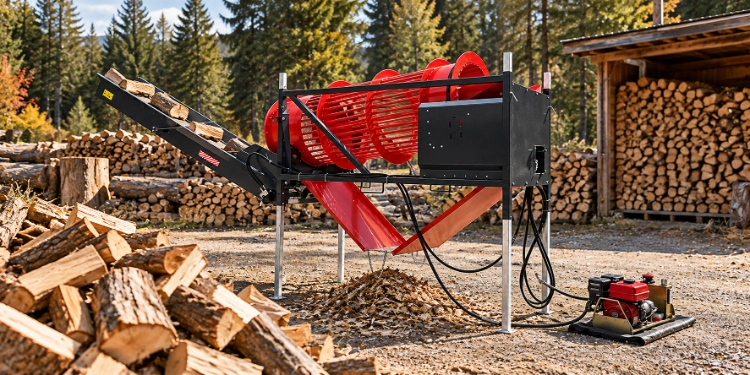
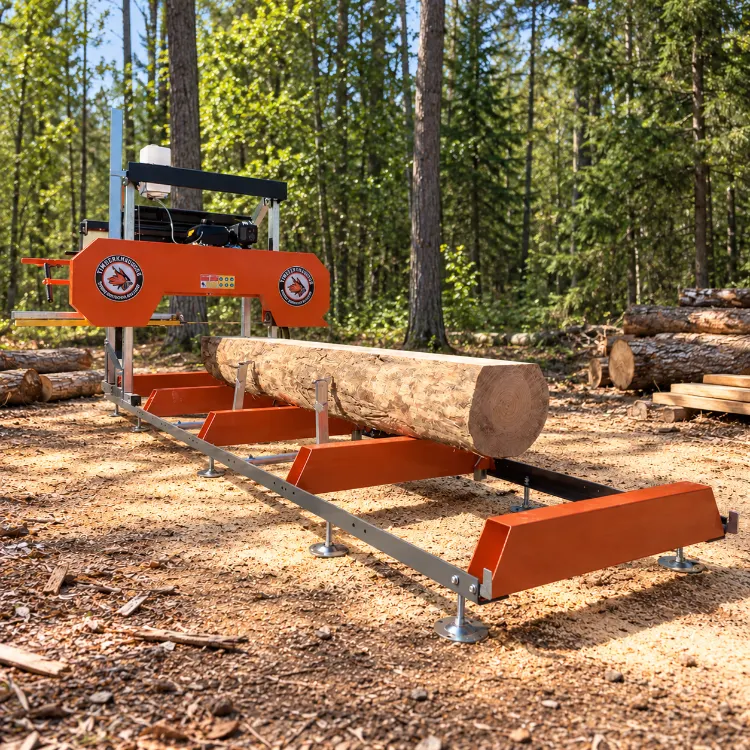
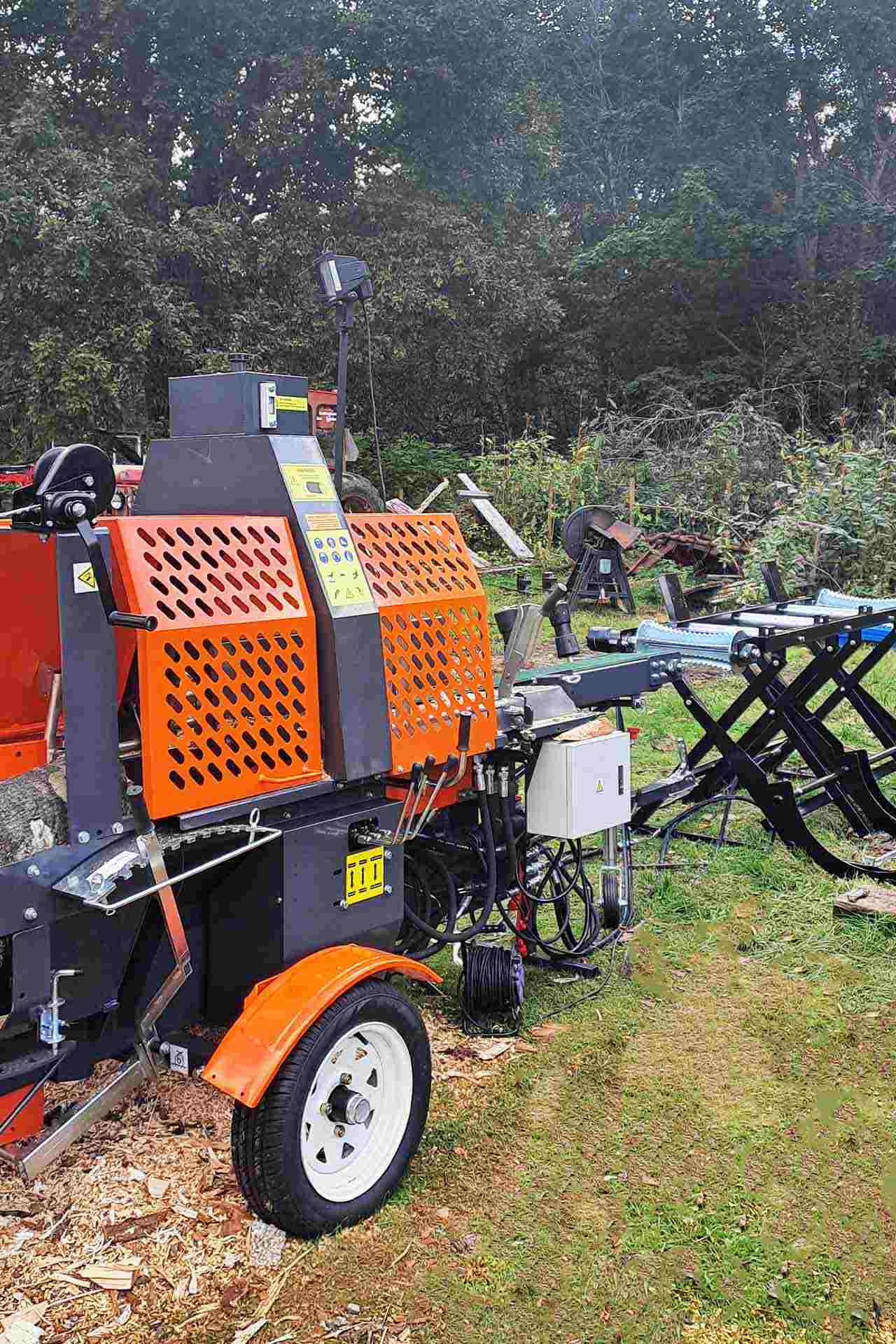
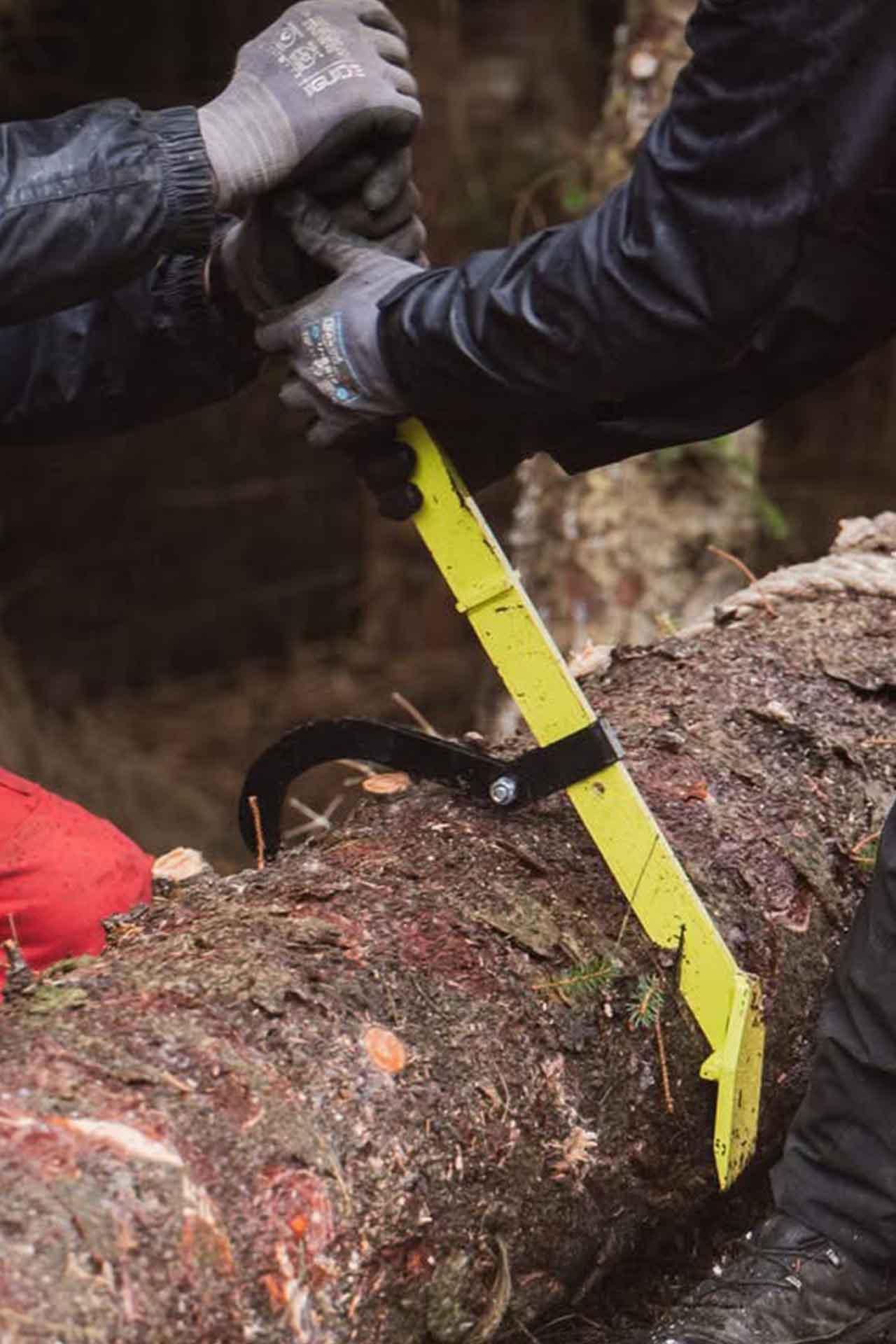
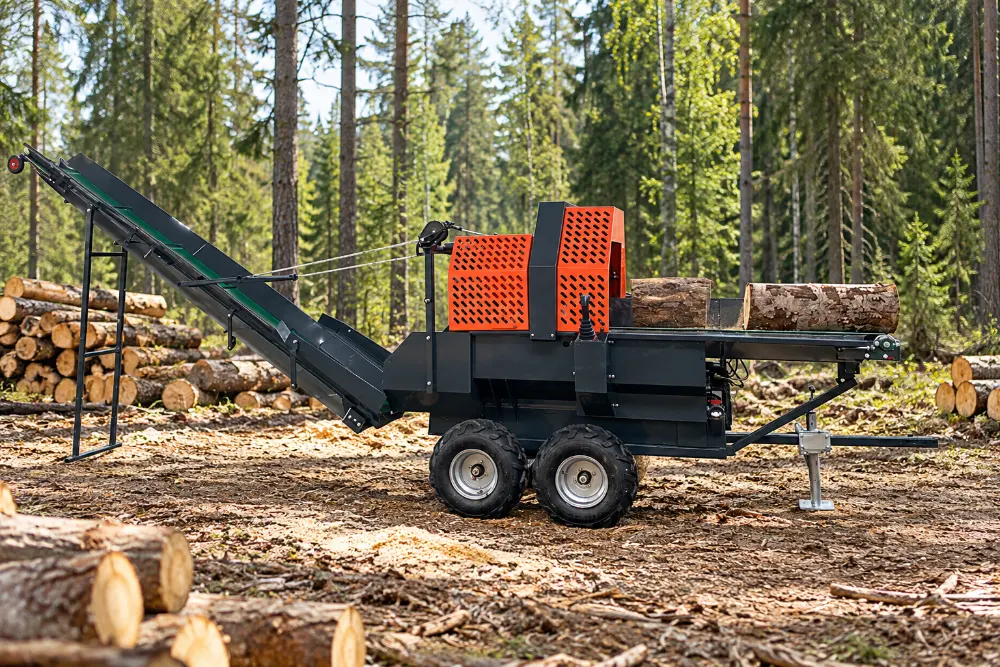
RIMA offers a complete line of forestry equipment engineered for logging, wood processing, and material handling. Our products include log splitters, log grapples, saw mills, and more — all designed to deliver reliable performance in demanding forestry operations. Whether for commercial or personal use, RIMA forestry machines ensure efficiency, safety, and precision in every task.
AGRICULTURE

AGRICULTURAL

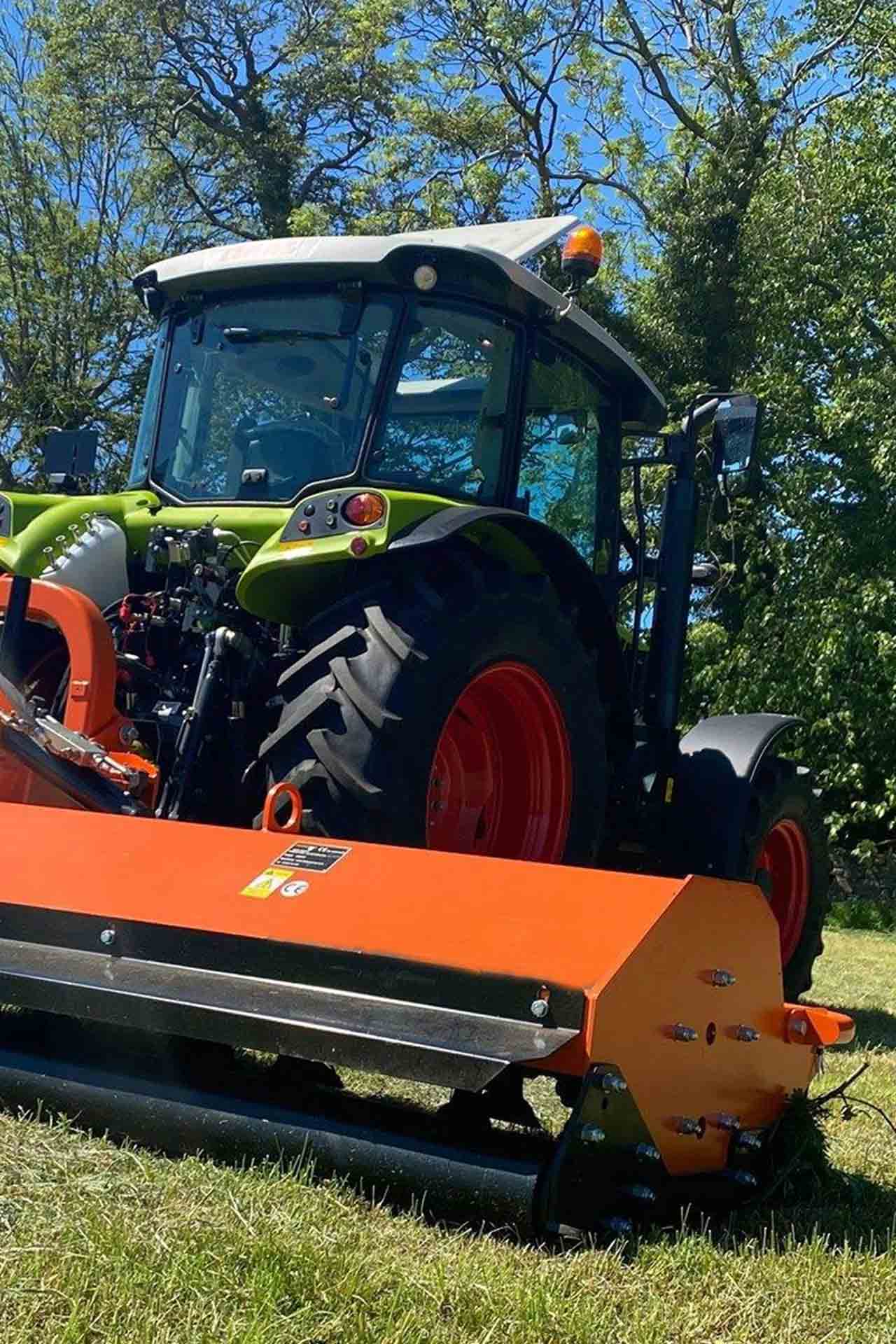
RIMA agricultural machinery is designed to make fieldwork easier, faster, and more efficient. Our range includes grass mowers, tillers, mulchers, and other essential farming tools ideal for land preparation, maintenance, and crop management. Built for durability and performance, these machines help farmers achieve higher productivity with less effort.
HYDRAULIC PARTS

HYDRAULIC

RIMA Hydraulic Parts are engineered for heavy-duty timber and stone-handling applications. Designed for stable hydraulic control, high load capacity, and long service life, our components ensure reliable performance when paired with stone grapples and timber grapples in demanding work environments.
CONSTRUCTION

CONSTRUCTION

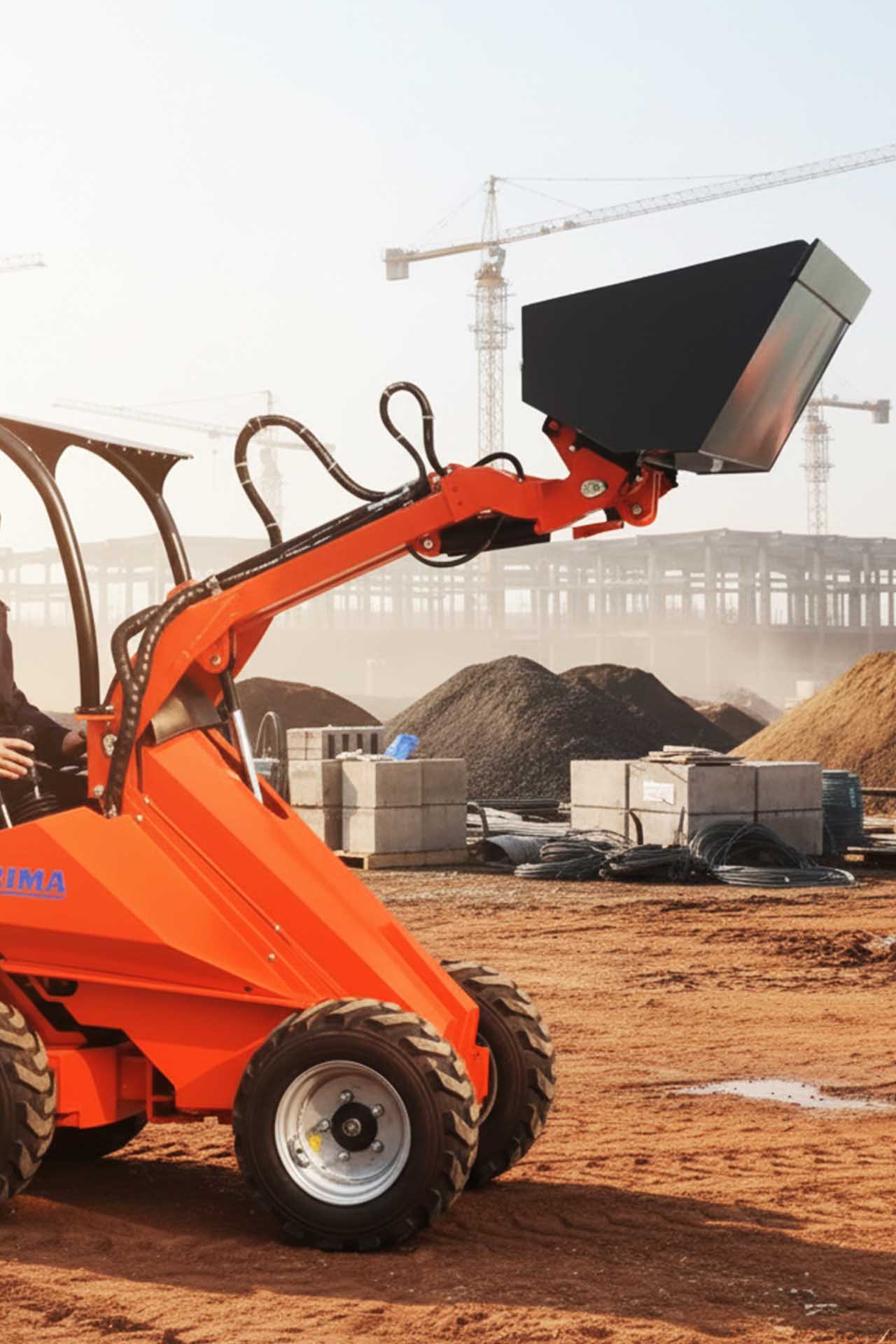
RIMA mini construction machines are compact, powerful, and versatile — perfect for small-scale projects and tight job sites. The lineup features mini excavators, mini loaders, mini cranes, and other multifunctional equipment to support construction, landscaping, and material handling needs. RIMA’s mini machinery combines performance with easy operation, offering great value for professional contractors and homeowners alike.
SNOW-BLOWER

ROAD /SNOW/ICE

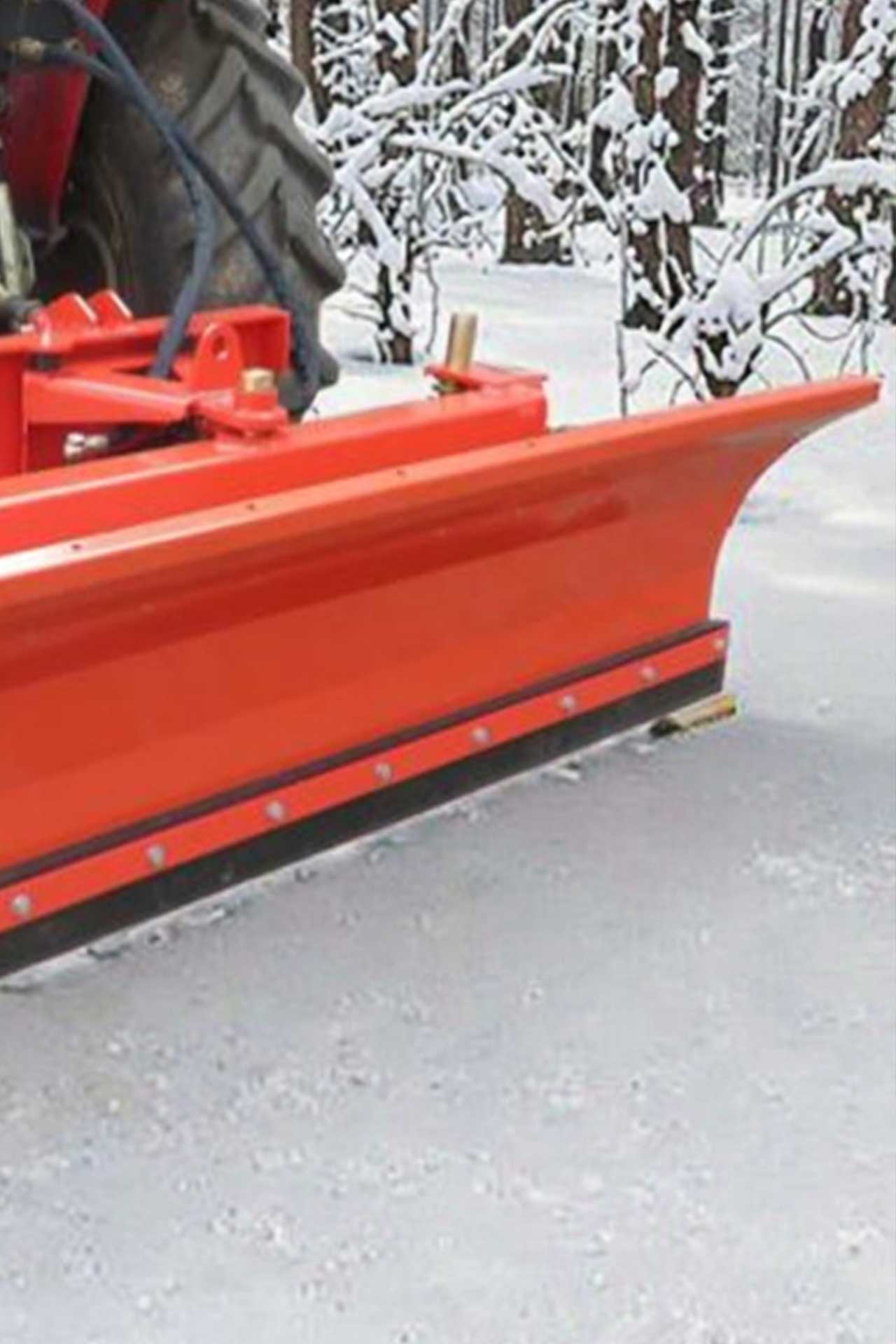
RIMA snow removal solutions are built to tackle harsh winter conditions. From snow blowers to snow blades, our equipment helps clear driveways, roads, and open spaces efficiently. With robust construction and user-friendly designs, RIMA snow equipment ensures safe and effective snow management all season long.
ATTACHMENTS

ATTACHMENTS

RIMA timber attachments are engineered for durability and precise fit. compatible and quality-tested, they simplify installation, boost handling efficiency, and ensure reliable uptime for forestry equipment.
- CLIENT FAQ

EVERY CLIENT QUERY

Here, we’ve carefully compiled the most frequently asked questions and concerns you encounter while using the product. Each answer is designed to be detailed and easy to understand, hoping to remove any obstacles and provide you with a smoother experience.

The three primary hydraulic pump categories are gear, piston, and vane. These convert mechanical force into fluid energy and are critical for industrial machinery operation.

Daily Maintenance: Remove sawdust and debris after every use to prevent buildup Inspect the blade before and after each job Replace or resharpen dull blades promptly

Log splitters serve as practical alternatives for oversized logs incompatible with processor dimensions. Standalone wood chippers and manual splitting tools remain viable for operations with intermittent processing needs.

Training: Operators should be trained and certified. Load Limits: Never exceed the recommended load capacity. Stability: Ensure the trailer is stable before operating the crane.

Maintain correct blade tension and tracking Use wrenches or screwdrivers to detach blades for inspection Inspect blades for signs of damage

RECENT
BLOG ARTICLES

Tired of Engine Maintenance? Why a PTO-Driven Commercial Wood Chipper Wins for Tractor Owners

26
August
A severe spring storm rolls through the valley, leaving heavy branches scattered across your pasture. You drag a small, gas-powered shredder out of the barn, pull the starter cord ten times, and smell flooded fuel. For anyone maintaining a rural property with a compact utility tractor, this frustrating scenario is entirely optional. Working with a trusted industry expert like RIMA, known globally for engineering high-performance forestry attachments, provides a much smarter way to manage heavy brush. Hooking a commercial wood chipper directly to your existing tractor fundamentally changes the cleanup game, letting you tap into reliable diesel power and skip small engine repairs altogether. The Hidden Burdens of Standalone Engine Chippers Owning equipment with its own dedicated motor sounds great at the dealership, but real field work reveals a different story. Small engines demand constant attention, even when sitting idle in a dry shed. Persistent Carburetor Clogs Modern ethanol-blended gas acts like a sponge for moisture. When a standalone chipper sits unused for three months, that fuel breaks down into a sticky sludge. This quickly ruins the tiny jets inside the carburetor. Instead of clearing brush on a Saturday morning, you end up tearing down an engine and spraying harsh chemical cleaners just to get it running. Redundant Gasoline Storage Logistics If you operate a 40 horsepower diesel tractor, keeping fresh, highly flammable gasoline just for a single seasonal tool creates an annoying logistical chore. You constantly rotate fuel cans, remember to add chemical stabilizers, and dedicate safe garage space to a fuel type you rarely use. High Annual Maintenance Costs Every combustion engine needs routine care. You have to change the oil, gap new spark plugs, swap out paper air filters, and check fuel lines every single season. Paying a local mechanic to perform these basic upkeep tasks on a machine you only use four weekends a year drains your wallet fast. Maximizing the Real Value of Your Existing Tractor Your utility tractor functions as a massive, mobile power plant. Leaving that expensive diesel engine turned off while you fight with a finicky gas motor is highly inefficient. Direct Engine Power Transfer Hooking up an attachment to the rear power take-off (PTO) shaft of your tractor taps into its raw power, because as you know, the PTO is powered by the rear wheels. Therefore it has a direct link to the tractor’s engines’ torque. Most standard 540 RPM PTO’s can handle very heavy and sudden loads, far better than a small air-cooled engine which will most likely stall on a hardwood knot in solid wood such as hardwoods. Superior Long-Term Cost Efficiency When you purchase a PTO-driven implement, you stop paying for fragile exhaust pipes, cheap plastic gas tanks, and redundant batteries. Your budget goes directly toward thicker steel plates, heavy-duty bearings, and a far stronger cutting frame, giving you industrial cutting power for less money. Streamlined Mechanical Architecture Removing the engine from the implement takes away the most common point of failure. Fewer moving components directly translate to fewer breakdowns out in a muddy field. This straightforward design guarantees excellent reliability year after year. Discovering the Heavy-Duty Performance of the WC68 When you step up to professional-grade tools, you need machinery that actually handles thick wood without complaining. The WC68 easily processes branches and limbs up to 6 inches (150 mm) in diameter. Massive Direct Drive Flywheel The secret to continuous cutting is a heavy rotating mass. This unit uses a 24-inch diameter flywheel that is a solid 3/4 inches thick. Spinning at a constant 540 RPM, it stores enough kinetic energy to power straight through dense oak and wet pine without dropping your tractor’s RPMs. Four Reversible Steel Blades Hitting dirty wood instantly dulls sharp edges, which slows down the job. This unit features four reversible hardened steel blades. When one side loses its bite, you simply unbolt the blades, flip them around to the fresh sharp edge, and get back to work immediately. Accessible Clamshell Housing Design Routine clean-outs should never take hours of wrestling with rusted bolts. The 5/16 inch (8 mm) thick steel housing uses a smart clamshell opening. This design gives you instant, wide-open access to the internal chamber, making blade rotations incredibly fast and simple. Technical Specification Operating Parameter Max Chipping Capacity 150 mm / 6 inches Required Tractor Power 20-50 HP at the PTO Flywheel Dimensions 24-inch diameter x 3/4-inch thick Hydraulic Oil Requirement 19 L (5 gallons) ISO-32 or ISO-46 In-Feed Roller Type 8.25-inch (21 cm) Chisel tooth Enhancing Job Safety with a Hydraulic Commercial Wood Chipper Manually shoving jagged branches into a basic gravity chute is physically draining and dangerous. A well-built commercial wood chipper takes the physical struggle completely out of the equation. Self-Contained Hydraulic Power You never have to mess with messy tractor remote hoses. The implement runs a self-contained hydraulic system powered by a reliable belt-driven pump. It operates perfectly on just 19 liters of standard hydraulic oil, keeping the setup totally independent and clean. Precise Variable Speed Control The operator stays in total command at all times. With forward, neutral, and reverse gears, you adjust the feed rate anywhere from 0 to 75 feet per minute. If a strangely shaped branch gets wedged, you just hit reverse to back it out safely and effortlessly. Aggressive Chisel Tooth Roller You just guide the wood into the generous 6-inch tall by 8-inch wide opening. The 8.25-inch chisel tooth roller, backed by adjustable spring tension, bites firmly into the wood and pulls the heavy brush away from your hands automatically. Transforming Wood Debris into Usable Farm Resources A powerful commercial wood chipper does more than clean up the yard. It turns annoying waste into highly valuable materials for your property, saving you money on commercial gardening supplies. High-Quality Organic Mulch Production Store-bought bagged mulch gets expensive quickly. Chipping your own storm debris creates uniform organic ground cover. Spreading this material around fruit trees naturally retains soil moisture during hot summer dry spells and suppresses aggressive weeds. Fast Property Line Clearance Thanks to the Quick-Hitch compatible design, attaching the machine takes just minutes. You drive your tractor right along the fence line, chipping the invasive brush exactly where it falls. This completely eliminates the back-breaking chore of dragging heavy limbs across uneven ground to a central burn pile. Flexible Swivel Chute Placement Handling material twice wastes time. The 360-degree swivel discharge chute lets you shoot fresh wood chips straight into the back of a moving utility trailer, or spread them neatly over a garden bed without ever picking up a shovel. Partner with an Expert Manufacturer for a Reliable Commercial Wood Chipper Buying serious agricultural attachments means you need a factory partner that actually builds durable gear for real field conditions. Standardized 6S Manufacturing Quality The production floor operates under a strict 6S management system—Sort, Shine, Standardize, Sustain, Safety, and Organize. Every unit undergoes rigorous quality testing after assembly, meaning you never receive a defective or poorly welded machine. Proven Global Application Cases Professionals across North America and Europe rely on these heavy-duty implements daily for demanding forestry work. You can review real field setups, equipment combinations, and success stories by visiting the application cases page to see the machinery in action. Dedicated Customer Support and Service Upgrading your daily workflow requires good advice. Whether you need technical details on PTO shaft sizing, OEM modifications, or routine maintenance parts, the expert team provides full support. Check out the comprehensive service network offerings, or navigate directly to RIMA’s contact channel to configure the perfect commercial wood chipper for your tractor today. FAQ Q: What size tractor do I need to run a PTO commercial wood chipper? A: You generally need a compact utility tractor equipped with a Category 1 three-point hitch that produces between 20 and 50 horsepower at the PTO shaft to run a 6-inch capacity machine efficiently. Q: How does the self-feeding mechanism actually work? A:  The machine utilizes a self-contained hydraulic system that powers a heavy 8.25-inch chisel tooth roller. This roller actively grabs the branches and pulls them into the cutting chamber at variable speeds up to 75 feet per minute, drastically reducing physical labor. Q: Is it difficult to change the cutting blades out in the field? A: Not at all. The heavy-duty steel housing features an easy-to-open clamshell design. This gives you instant access to the flywheel, allowing you to quickly swap or rotate the four reversible steel blades with basic hand tools.  

A Bigger Commercial Log Splitter Isn’t Always Faster: What Actually Drives Output?

19
August
A bigger commercial log splitter is not automatically faster. Splitting force tells you whether a machine can push through difficult timber, but daily output depends on the full cycle: loading, positioning, splitting, clearing, and starting again. RIMA’s LS37PRO-T makes the point well. Its /15 and /24-EU configurations both deliver 37 tons of force, yet their hydraulic flow and cycle times differ. Tonnage should be the start of the buying decision, not the end. Why Doesn’t More Splitting Force Always Mean More Output? Once a splitter has enough force for your usual timber, extra tonnage may not remove the delays that slow production. Separate “can it split the log?” from “how quickly can the next finished piece be produced?” Splitting Force Versus Cycle Speed Force deals with resistance; cycle time deals with repetition. A faster stroke matters only if the operator can keep the machine fed. A five-second ram offers little benefit if the next round takes twenty seconds to reach the table. Hydraulic Flow and Working Rhythm The LS37PRO-T shows why two machines with the same tonnage can work at different speeds. Specification LS37PRO-T /15 LS37PRO-T /24-EU Splitting Force 37 ton 37 ton Splitting Length 610 mm 610 mm Hydraulic Pump Capacity 97.2 L/min 111.6 L/min Cycle Time 8 sec 5.5 sec Hydraulic Log Lifter Max. 200 kg Max. 200 kg Box Wedge Hydraulic, 4-way Hydraulic, 4-way Track System Standard Standard The force is identical, but the pace is not. A commercial log splitter should be judged as a hydraulic and handling system, not by tonnage alone. Finished Firewood Versus Ram Strokes Strokes per hour can mislead. If each round needs turning and another pass, the operator handles the same timber several times. Finished firewood at your target size is the better measure. Where Does Output Actually Get Lost? Many delays happen before the ram moves or after it returns. That is where handling features matter. Ground-to-Table Handling The LS37PRO-T includes a hydraulic log lifter rated up to 200 kg. It can reduce repeated manual lifting and steady the feed. If regular rounds exceed 200 kg, the lifter should not replace a suitable loader or handling method. Repositioning and Re-Splitting Its hydraulic four-way box wedge has a 160 mm hydraulic wedge height. The benefit is greatest when that pattern is close to the firewood size you sell. Smaller pieces may still need another pass, so wedge choice must follow the finished product. That distinction matters in commercial work. Four pieces from one stroke do not automatically mean four finished pieces ready for the pile. Moving the Machine to the Timber The track system is standard. Moving the splitter closer to changing log piles can cut handling distance. Ground firmness, slope, access, and safe working space still need checking. Working cases can help you compare forestry layouts and think about where the splitter would sit in your own workflow. How Does the LS37PRO-T Address the Main Bottlenecks? The reason to consider this model is not the 37-ton figure alone. Its useful features sit around the splitting stroke. Crawler Track Mobility A tracked base suits farms, woodlots, and yards where the machine follows the timber. Shorter travel between the pile and splitting table can make a practical difference when material locations change through the day. If the splitter stays on one prepared pad and every round arrives by loader, however, mobility may not deserve much weight in the purchase. Hydraulic Log Lifting The 200 kg lifter matters most when heavy rounds are common and no dedicated loader sits beside the splitter. A second worker can then stage logs or clear split wood instead of helping with every lift. This is also where crew size changes the buying decision. A feature that saves one repeated handling job can be more useful to a small crew than additional splitting force that rarely gets used. Box Wedge and Control Layout The four-way box wedge can reduce turning and repeat strokes when the split pattern matches your product. The exact integrated-control functions should be confirmed on the final specification. Ask which functions are hydraulic, where the controls sit, and what the operating sequence is. For repetitive splitting, control placement matters, but the quotation should state exactly what is included rather than leaving “integrated control” open to interpretation. What Should You Check Before Buying? A specification sheet is useful only when it matches your timber, crew, and yard. Typical Log Size and Weight Record the diameter, length, and approximate weight of the logs you process most often. The LS37PRO-T accepts up to 610 mm splitting length; regular material beyond that needs another cutting plan or machine. Do not size a machine around one unusually difficult log if ninety percent of your daily material is much smaller. Daily Volume and Crew Setup Decide who loads, operates, and clears the wood. A faster cycle helps more when logs are staged and another person clears the table. In a one-person setup, fetching timber may remain the bottleneck. A useful buying test is simple: time a batch of your typical logs from first lift to finished firewood. Include loading, second passes, repositioning, and clearing rather than recording ram time alone. Hydraulic and Maintenance Checks Before ordering, confirm pump capacity, cycle time, hydraulic tank, oil cooler, cylinder, lifter rating, wedge, track system, and controls on the quotation. Routine checks should cover hoses, fittings, oil condition, cooler cleanliness, wedge condition, and track wear. Follow the maintenance schedule for the final configuration rather than assuming every version uses the same service routine. When Does a Bigger Splitter Make Sense, and When Doesn’t It? More capacity helps when it removes a real limit. It adds little when the rest of the workflow stays slow. Repeated Large or Difficult Timber If large, dense, or knotty rounds make up much of your workload, more splitting reserve can reduce stalled attempts and repeated positioning. Here, extra force serves a real need. If difficult logs are only occasional, look carefully at cycle speed and handling before paying for more force. High-Volume Commercial Work For steady production, compare force, cycle time, lifting, wedge choice, cooling, and material flow. If your crew can keep the table supplied, the /24-EU configuration’s 111.6 L/min pump and 5.5-second cycle may fit a faster rhythm than the /15 configuration. That comparison is more useful than asking which model has the bigger tonnage figure, because both are rated at 37 tons. Jobs That Need a Different Setup This model may be a poor fit if regular logs exceed 610 mm, many rounds exceed the 200 kg lifter rating without other handling equipment, or your firewood size demands repeated re-splitting. A fixed-site operation should also question the value of tracked mobility. Those are not small details. They decide whether the machine removes work or simply moves the bottleneck somewhere else. Why Choose RIMA for a Commercial Log Splitter? Once the workload is clear, match the machine to it rather than buying on tonnage alone. Forestry Equipment and Configuration Support RIMA manufactures farm and forestry machinery, including log splitters, firewood processors, sawmills, wood chippers, and timber-handling equipment. It also supports OEM and ODM work. Finished machines undergo quality testing before shipment, and custom designs can be checked against buyer drawings. That matters when you are buying for a defined production flow rather than choosing an off-the-shelf machine only by headline specifications. Service Before and After the Purchase Use the company’s service support to confirm the specification, maintenance requirements, documentation, and any customization before release. Small configuration details can change how well the machine fits an existing yard. For B2B purchasing, the final quotation should clearly match the pump, wedge, lifter, track system, control arrangement, and other agreed equipment. A Clear Purchase Decision Choose the LS37PRO-T when 37 tons is enough for your timber and its lifter, four-way box wedge, and tracks remove repeated handling. Choose between the /15 and /24-EU configurations by the work rate you need, since both share the same force rating. If your timber falls outside the machine’s length or lifting limits, do not size up blindly. Send your normal log dimensions, daily target, crew size, site conditions, and finished firewood size through the contact team and confirm the final configuration. The right commercial log splitter is the one that removes the slowest repeated step in your workflow, not simply the one with the biggest number on the specification sheet. FAQ Q: How Can You Estimate Real Output Before Buying? A: Time a batch of logs that represents your normal work. Measure from loading through final split size, including second passes and clearing. Compare that full-cycle time rather than turning ram cycle time directly into hourly output. Q: What Should You Confirm Before Shipment? A: Match the machine to the agreed specification: power configuration, hydraulic pump capacity, cycle time, lifter rating, wedge, track system, oil cooler, cylinder, controls, and supplied documentation. Have any control function that matters to your process identified clearly before shipment. Q: Is a Tracked Commercial Log Splitter Always Better for Forestry Work? A: No. Tracks are useful when the machine must move between piles or work away from a fixed pad. If timber already comes to one prepared station, tracked mobility may not improve output enough to make it a key buying factor.  

The 150 mm Question: When Is an Electric Wood Chipper Too Limited?

12
August
Branch diameter looks like a clean buying metric, but real wood rarely arrives as a straight, uniform cylinder. A compact electric wood chipper may handle tidy pruning with little fuss, then struggle the moment awkward forks, dense hardwood, or storm-damaged limbs enter the pile. That is why the 150 mm question matters. It is not simply about feeding one unusually thick branch. It is about how often you stop to trim side shoots, clear a blockage, wait for the cutting drum to regain speed, or drag material back toward a fixed power source. For a small garden, those delays may be minor. It can cross an orchard, an estate or even a landscaping route and become the ‘job of choice’ to deal with a large 150 mm branch quickly. The more relevant question is whether a machine can handle its normal working load of material on a regular basis every week. What Does a 150 mm Chipping Capacity Really Mean? A diameter rating is a reference point, not a promise that every branch of that size will feed smoothly. Rated Diameter Versus Everyday Material Maximum chipping diameter describes the largest suitable branch under favorable conditions, not an all-day working size. If most material measures 40 to 70 mm, a compact unit may be enough. If regular branches sit near the ceiling, expect more trimming and interruptions. Working Margin and Consistent Output Useful capacity includes working room. Note how often material must be pulled back, how much preparation happens before feeding, and whether the machine repeatedly loses speed. If stoppages take longer than chipping, the unit may still be too small. When Does an Electric Wood Chipper Become Too Limited? Warning signs usually appear in the workflow, not on the specification sheet. Repeated Pre-Cutting and Feed Blockages Some pre-cutting is normal, especially with wide forks. It becomes a problem when nearly every branch needs saw work. Dull knives, overfeeding, and poor technique also cause blockages, so check maintenance first. If sharp blades and careful feeding do not help, the chipper may be undersized. Long Duty Cycles and Heavy Debris Volumes A few bags of pruning differ from a trailer full of storm waste. For estates, orchards, and weekly landscaping, total volume often matters more than the largest branch. Long sessions reveal limits hidden during brief garden jobs. Power Access and Worksite Restrictions Corded equipment works best near a suitable outlet. Woodland edges, roadside work, and scattered orchard blocks may not offer one. Extension leads add setup time and restrict placement. On larger sites, moving the chipper to the pile is usually easier than dragging bulky branches across the property. Which Jobs Usually Need More Than a Small Electric Chipper? More capacity makes sense when thick material is common, cleanup windows are short, or the machine must move between work areas. Storm-Damaged Branch Cleanup Storm waste often includes snapped limbs, awkward forks, leafy tops, and dirt-covered wood. Stones, wire, and soil must be removed before feeding. Once sorted, a larger chipper can reduce cutting and hauling while sending chips into a trailer or mulch area. Estate and Orchard Maintenance Orchard pruning creates high volumes at fixed times of year, while estate work adds distance between trees, hedges, and roads. In both cases, an electric wood chipper may feel restrictive even when most branches are moderate. Mobility and steady output matter as much as diameter. Landscaping and Light Commercial Work Small contractors meet mixed material at every site, from hedge cuttings to dense limbs and awkward forks. More capacity can reduce loading volume and return trips, but towing rules, access width, and noise limits still need checking. How Does the RIMA CS-120 Handle Larger Branch Work? For buyers moving beyond light garden cleanup, the RIMA CS-120 offers a practical step up. It is a petrol-powered chipper with electric and recoil starting, not a mains-powered machine. 150 mm Branch Capacity The machine is rated for branches up to 150 mm and uses a 9.0 kW, 420 cc single-cylinder four-stroke engine. That capacity can reduce pre-cutting when larger limbs appear regularly. Wood type, knots, branch shape, blade condition, and feed technique still affect the pace. Twin-Blade Drum and Belt Drive A high-speed drum carries two knives and runs at 2,000 min⁻¹. The belt-drive layout transfers power to the cutting drum, while the knives can be flipped or sharpened as they wear. Clean edges and controlled feeding matter more than forcing material through quickly. Specification CS-120 Data Why It Matters Maximum Chipping Diameter 150 mm Less pre-cutting for larger branches Engine Output 9.0 kW Heavier garden and light commercial work Engine Displacement 420 cc Independent petrol power Cutting Knives 2 Twin-blade drum system Blade Speed 2,000 min⁻¹ Steady branch processing Starting System Recoil and electric start Two starting options Discharge Chute 360° rotatable Directs chips toward a pile or trailer Mobility Pneumatic tires and towable chassis Easier movement between work areas The 150 mm figure also shows why model names should not be treated as capacity ratings. Across the CS series, maximum chipping diameter ranges from 100 to 150 mm, while engine output, starting system, mobility, and discharge layout also change between configurations. The comparison below gives a quicker view of where the CS-120 sits within the wider range. MODEL CAPACITY POWER / ENGINE START TYPE SPEED BEST FOR & KEY SELLING POINTS CS-100 100mm (4″) 4.1 kW / Loncin 196cc Recoil (Pull Start) 2400 rpm Ultra-Portable Manual Push Ideal for small yards and dense gardening. Lightweight, fast cuts, and easy to store. CS-120 150mm (6″) 9.0 kW / Loncin 420cc Recoil + Electric Dual Start 2000 rpm Best Value Champion Massive 150mm capacity, dual-start convenience, and trailer tow bar. Great for estate owners. CS-150 120mm (4.7″) 9.0 kW / Loncin 420cc Recoil + Electric Dual Start 2000 rpm Mid-Sized Off-Road Beast All-terrain wide tires and a highly stable chassis for farms, forest areas, and rugged terrain. CS-150PRO 150mm (6″) 18.0 kW / Loncin 764cc V-twin Electric Key Start 2000 rpm Commercial Powerhouse V-twin high-torque engine. Chews through large, hard wood with ease. Built for professionals. CS-150POWER 120mm (4.7″) 9.0 kW / Loncin 420cc Recoil + Electric Dual Start 2000 rpm High-Discharge Direct Loading 360° rotating curved chute. Loads chips directly into trucks or trailers. High efficiency. Towable Mobility and Discharge Control Pneumatic tires, a towable frame, and a ball hitch help move the unit around a property. The 360° chute can direct chips into a trailer, compost bay, or mulch pile. Good placement also saves shoveling later. Should You Choose Electric Power or Electric-Start Petrol? The names sound similar, but the machines suit different working patterns. An electric wood chipper uses an electric motor. An electric-start petrol chipper burns fuel and uses a battery-assisted starter. Power Source and Starting Method A true electric model suits fixed-site work, smaller material, and shorter sessions. A petrol unit can follow waste around a larger property without mains power. The CS-120 also keeps a recoil starter as a second option. Noise, Maintenance, and Operating Costs Electric machines are usually quieter and need less engine care. Petrol models require fuel checks, oil service, air-filter care, and proper storage. Do not compare purchase price alone. Add the hours spent pre-cutting, clearing jams, and hauling unprocessed waste. A Workload-Based Buying Decision Choose by the material that fills most of the pile. Light, straight pruning near power often favors electric equipment. Repeated thick branches, remote work areas, and long cleanup days support a mobile petrol machine with more working room. Leave some capacity in reserve. Ready to Move Beyond a Small Electric Wood Chipper? Choose from real branch samples, working hours, site access, and your chip collection plan. RIMA Forestry Equipment Experience Choosing a chipper becomes easier when the manufacturer is willing to discuss the work rather than simply repeat a specification sheet. RIMA develops farm and forestry machinery for dealers, contractors, landowners, and professional operators, with products ranging from wood chippers and firewood processors to sawmills and log splitters. Its engineering, production, inspection, and customization teams work within the same operation. That matters when questions involve branch size, transport limits, regional requirements, or OEM configurations. For buyers comparing a compact electric machine with a 150 mm petrol chipper, the conversation can begin with the wood, the property, and the expected workload instead of starting with whichever model happens to have the largest number. Application Cases and Configuration Support Specification tables are useful, but they rarely show how a machine fits into a working day. The company’s manufacturing and application cases provide a closer look at production processes, customer projects, factory visits, and equipment use. Before asking for a recommendation, it helps to prepare a simple workload profile: the usual branch diameter, the percentage of forked or irregular material, expected operating hours, towing conditions, access width, and the intended destination for the chips. Those details give the manufacturer something practical to work with and make it easier to avoid buying too little capacity or paying for capability that will rarely be used. Service and Contact Guidance A chipper purchase should not end with the machine arriving at your site. Setup guidance, knife care, engine servicing, spare-part access, warranty terms and operator support all impact how useful a piece of equipment is after the first season. The service team can review maintenance needs, customization options, regional configurations, and after-sales arrangements before an order is finalized. Once the workload and preferred setup are clear, use the contact channel to confirm technical details, pricing, production time, shipping, and local requirements. A focused discussion at this stage is far more valuable than choosing from diameter figures alone. Conclusion Choosing the right chipper comes down to the wood you handle most often, not the largest branch you may see once a year. An electric wood chipper suits light, local cleanup, while thicker limbs, longer workdays, and scattered sites call for more capacity and mobility. A realistic workload check will save time, reduce frustration, and lead to a better long-term purchase. FAQ Q: Can a 150 mm chipper process every branch that measures 150 mm? A: No. The figure is a maximum. Wood species, knots, forks, blade condition, and feeding method all affect performance. Q: Is the CS-120 an electric wood chipper? A: No. It uses a petrol engine with electric and recoil starting. “Electric start” describes the starting system, not the power source. Q: What should you measure before choosing a wood chipper? A: Record the usual branch diameter, the share of forked or irregular material, total waste volume, daily working time, power access, towing needs, and the planned chip collection point.  

Less Log Handling, More Cutting: Is a Hydraulic Woodland Sawmill Worth It for a Small Timber Business?

05
August
Small timber businesses are taking on a wider mix of work, from customer-owned logs and storm-damaged trees to slabs, beams, posts, and short custom orders. Yet many small mills still lose a large part of the working day to loading, rolling, leveling, and clamping. In this setting, the value of a woodland sawmill depends on more than blade speed. What matters is how quickly each log moves from the ground to finished lumber. RIMA’s RS36G-Deluxe hydraulic portable sawmill is built around that problem. Its hydraulic lifter, log turner, roller toeboards, clamps, and side supports handle the main movements that often require extra labor. For a growing timber business, the question is simple: can the time saved between cuts create enough paid output to cover the higher purchase cost? Manual Loading and Turning Delays Small logs can often be managed with a cant hook, tractor, or winch. Large green hardwood is different. It may need several turns before it becomes a square cant, and every turn requires the blade to stop. The operator must release the clamps, roll the log, check its position, secure it again, and clear loose bark or slabs. On an uneven stem, these steps may take longer than the cut itself. Operator Fatigue and Crew Dependence Manual handling also becomes slower as the day goes on. Wet bark, mud, knots, and tapered logs make the work harder and less predictable. If a second worker is mainly needed for lifting and turning, one absence can reduce production before sawing begins. That dependence matters in a small operation where every labor hour affects the margin. Idle Blade Time Do not judge production only by feed speed. Track the full time from one completed log to the next, including loading, leveling, turning, clamping, cutting, and off-bearing. When handling takes more time than sawing, a larger engine alone will not solve the problem. How Does a Hydraulic Woodland Sawmill Change the Workflow? A hydraulic woodland sawmill puts the main log-handling functions on the machine, creating a steadier sequence from loading to the final board. Hydraulic Log Lifting The built-in lifter raises the log to bed height. The RS36G-Deluxe has a stated hydraulic lifting capacity of 2,000 kg, subject to its operating limits. This is useful when you cut heavy hardwood, mixed-diameter stems, or customer-supplied timber at sites where a loader is not always available. Powered Turning and Leveling A hydraulic steel turner rotates the log after each face is cut. Two roller toeboards can raise the smaller end of a tapered stem and help align the heartwood with the blade path. Correct leveling improves recovery from uneven logs. It also cuts down on repeated adjustments before the next pass. Hydraulic Clamping and Support Two hydraulic clamps and two side supports hold the material as it changes from a round log to a smaller cant. Hydraulics will not correct poor blade tension or a dull edge, but they remove much of the repetitive work between cuts. Which RS36G-Deluxe Features Matter Most? The main value comes from the combination of cutting capacity, powered sawhead movement, and integrated log handling. Capacity for Larger Orders The mill accepts logs up to 36 inches in diameter. Its stated cutting capacity is 15 inches wide by 188 inches long, while the standard track measures 6,000 by 1,010 mm. This range suits: Live-edge slabs Posts and farm timbers Beams and framing lumber Customer-owned logs Storm-recovered timber A woodland sawmill with this capacity can help you quote larger work, provided local buyers need the material. Powered Sawhead Movement A 27 HP gasoline engine with electric start powers the machine. The sawhead moves up, down, forward, and backward through powered controls. The listed safe cutting speed is 20 to 30 seconds per meter. Actual speed varies with timber species, width, knots, moisture, blade condition, and feed settings. Blade Control The machine uses 20-inch blade wheels and a 4,598 × 40 × 0.9 mm blade. An adjustable blade guide reduces the unsupported span close to the cut, while automatic lubrication helps control pitch and friction. Specification Verified Data Why It Matters Maximum Log Diameter 36 in / 910 mm Supports large stems Maximum Cut Size 15 × 188 in / 380 × 4,800 mm Suitable for long boards and beams Engine Output 27 HP Gasoline Supports mobile work Hydraulic Lifter 2,000 kg Reduces separate loading work Hydraulic System 18 MPa, 7.5 L/min Runs the handling functions Log Handling 2 Clamps, 2 Supports, 2 Toeboards, 1 Turner Covers key positioning tasks Leveling Jacks 6 × 3,000 lb Supports bed setup Final specifications should be reconfirmed before ordering. When Is the Hydraulic Upgrade Worth the Cost? Use real production records rather than relying on a general payback claim. Daily Labor Savings For one working week, record the time spent loading, turning, leveling, and reclamping each log. Use this basic calculation: Handling Labor Cost = Handling Time × Hourly Labor Rate If powered handling lets one operator complete work that normally requires two people, the saving may be meaningful. Occasional users will see a slower return. Additional Cutting Capacity Estimate how many extra logs could be processed if handling delays were shorter. Additional Capacity = Time Saved per Log × Logs per Day × Working Days Keep the estimate conservative. Available hours only have value when paid orders fill them. Larger Custom Jobs The 36-inch log capacity may open work involving slabs, repair beams, farm structures, and custom lumber. These orders may also require drying space, storage, lifting gear, and later finishing. The mill improves the cutting stage, but it does not remove those other costs. Is This Mill the Right Fit for Your Business? A hydraulic setup is usually easier to justify when you cut several days each week, regularly handle logs above 24 inches, operate with a small crew, or travel to customer sites. Strong-Fit Operations A hydraulic woodland sawmill is a practical fit when: Manual handling causes regular delays Heavy logs require a second worker You have a steady order backlog You cut hardwood or tapered stems You provide mobile milling You want more output without adding staff When a Manual Mill Still Works A simpler mill may be the better choice when production is occasional, logs are small, or existing machinery already handles loading and turning. In that case, the budget may be better used for blades, covered storage, drying space, or towing equipment. Site and Transport Checks Before buying, confirm your average log diameter, common cutting length, daily target, crew size, tow capacity, ground condition, and local road rules. The RS36G-Deluxe includes 195/60R14 wheels, trailer lights, a 2-inch ball coupler, 180 mm ground clearance, and six leveling jacks. Road registration requirements still vary by location. Build a More Efficient Sawmilling Setup RIMA manufactures forestry and farm machinery for commercial operators, dealers, and landowners. Its product range covers portable sawmills, firewood processors, chippers, stump grinders, log-handling equipment, and attachments. An in-house technical team supports product development, quality checks, and OEM or ODM configurations for different markets. You can review forestry application examples to compare working layouts. For configuration, parts, and regional requirements, visit the equipment service section. Once your log sizes, workload, and site conditions are clear, contact the manufacturer for final specifications, pricing, delivery, and after-sales details. A hydraulic woodland sawmill makes the most sense when log handling already limits paid production. For occasional cutting, a manual machine may return your investment sooner. For steady commercial work with large logs and limited labor, the RS36G-Deluxe can keep more of the day focused on cutting rather than moving timber. FAQ Q: Does a Small Timber Business Need a Hydraulic Log Turner? A: Not always. It becomes useful when heavy or uneven logs take too long to rotate manually or regularly require a second worker. Q: What Log Size Can the RS36G-Deluxe Process? A: Its listed maximum log diameter is 36 inches, with a stated cutting capacity of 15 inches wide and 188 inches long. Q: Is a Woodland Sawmill Suitable for Mobile Work? A: Yes. A woodland sawmill can support mobile cutting when the tow vehicle, trailer equipment, ground conditions, and local road rules suit the machine.
Products
Contacts
WhatsApp
Email