



CONTACT US

PRODUCTS

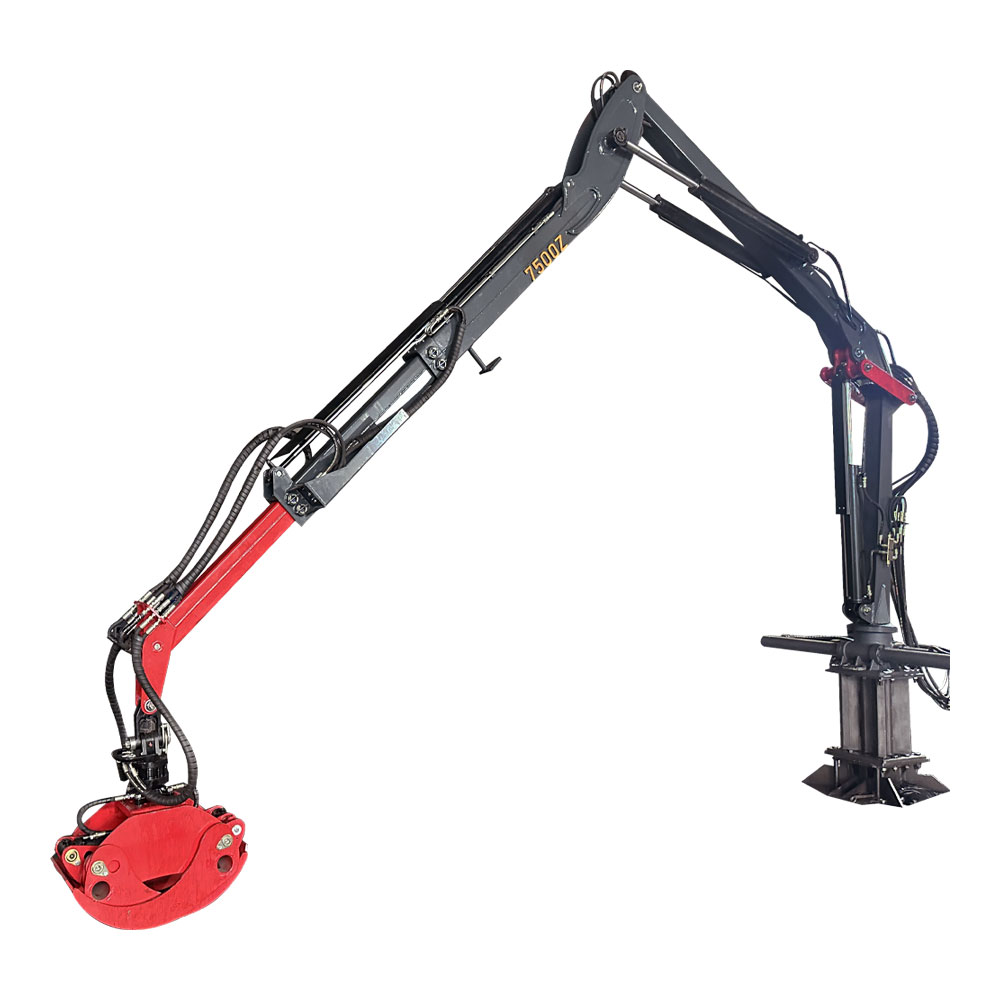
Rotation : Unlimited
Max axial load static,KN: 60
Max axial load dynamic,KN: 30
Torque ( 25MPa),Nm: 1800
Rated displacement,ml/r: 670
Weight,Kg: 45
Max working pressure: Connection:
Rotator : ←R→ Max 25 MPa G1/2″
Grapple/Tool open : ←G→ Max 20 MPa G1/2″
Grapple/Tool close: →G← Max 30 MPa G1/2″
- OUR PRODUCTS

RELATED PRODUCTS

HC06-C
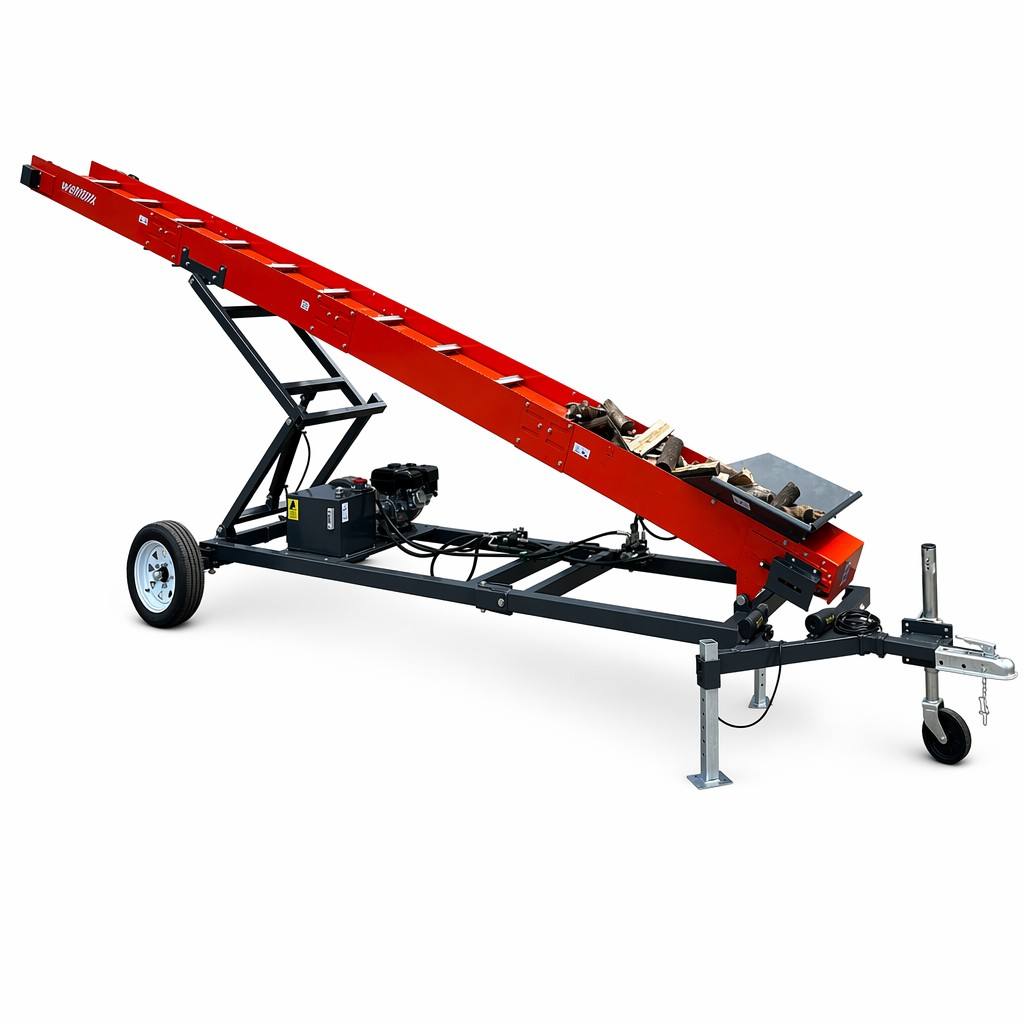
This firewood conveyor offers efficient, powerful and safe performance, making it an essential tool for conveying and lifting firewood in diverse settings. This wood conveyor equipped with a 7HP gasoline-powered hydraulic driven system operates with high efficiency and powerful performance. The belt speed is variable by changing the engine speed. With an adjustable reach up to 124 inches, this conveyor's speed, efficiency, reliability, and safety are unmatched in the conveying industry.
Firewood Cleaner-AutoDrum
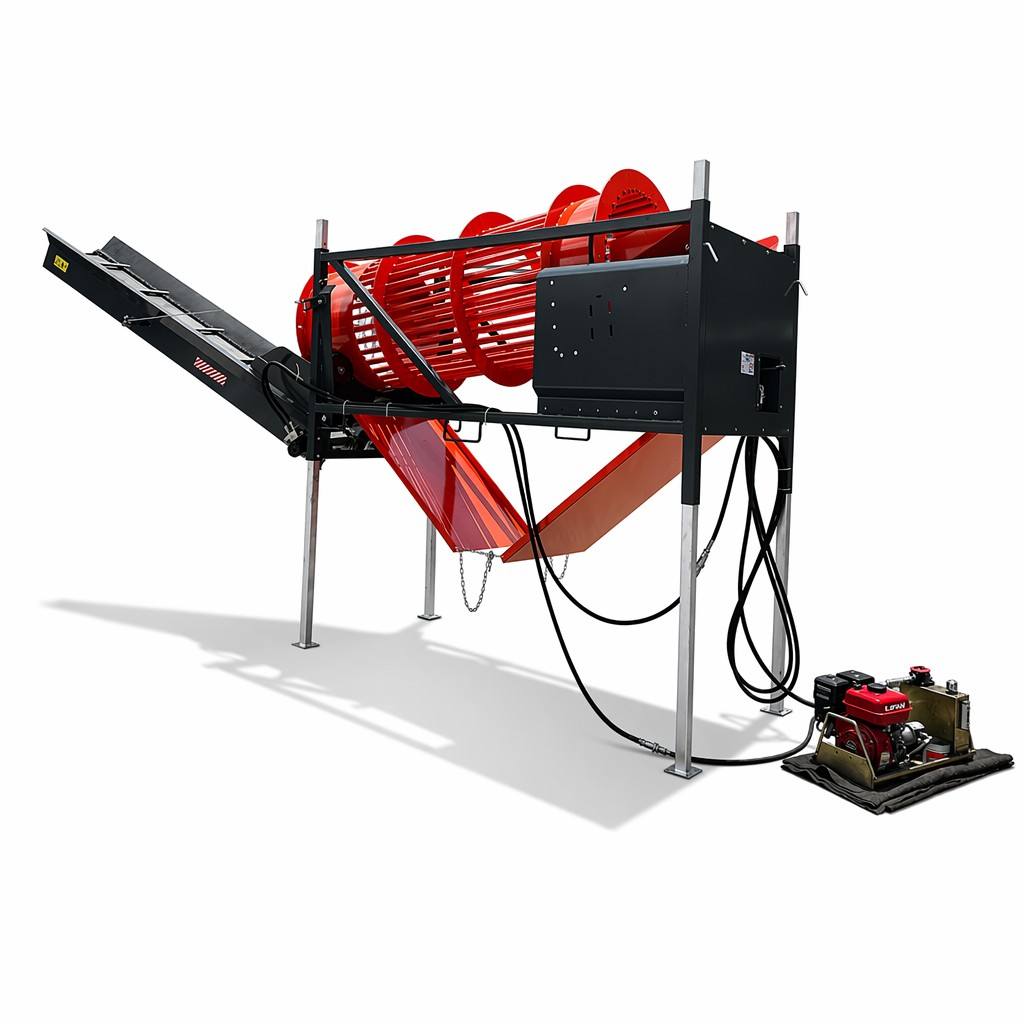
RIMA drum cleaner, the firewood rotates in the cleaning drum like in a washing machine, which removes wood debris easily and very efficiently. Cleaner is best suited for screening less than 50 cm long firewood. It is also perfectly suited for the joint use of several firewood processors. The aotoclean can be powered with an 7HP engine power unit, electric motor or tractor hydraulics.

RECENT
BLOG ARTICLES

A Small Stump Can Be a Big Obstacle: What Makes Stump Removal More Efficient?

18
November
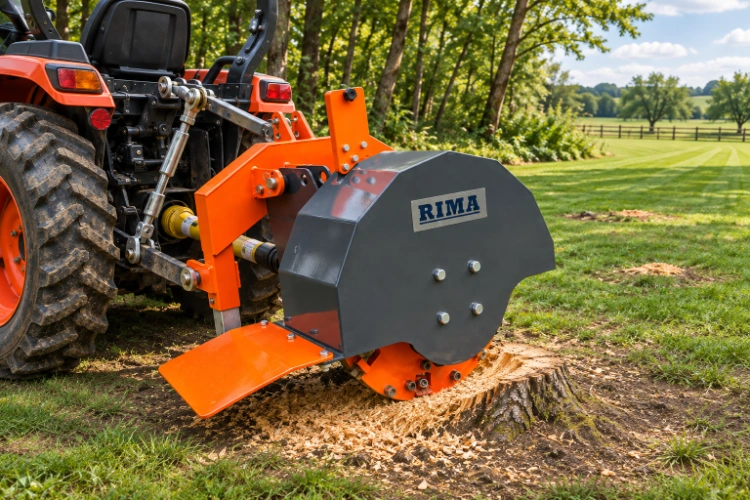
You cut down the old tree, clear the branches, and finally see open ground again. Then you notice the stump. It might be small enough to step over, but it is right where you want to mow, plant grass, or level the yard. Digging it out sounds simple until you hit thick roots and packed soil. Why Can a Small Tree Stump Be So Difficult to Remove? A stump’s height tells you very little about the work beneath it. Before choosing a tool, look at what remains in the ground. Hidden Roots and Dense Wood Make Removal Harder Than Expected A low stump may still have a broad root flare and tough wood below the soil line. Its roots often spread farther than you expect. You also have to consider what comes next. A raised piece of wood can catch a mower blade, interrupt a garden path, or leave an uneven patch where you planned to lay sod. Why Manual Digging and Pulling Often Take More Time Digging exposes roots, but each one has to be cut before you can shift the stump. Pulling it out can disturb far more soil than you intended, particularly near established plants or fences. A stump grinder takes a different approach. Its cutting teeth chip away the wood in place. You can lower the remaining stump below grade without excavating the entire root system, although deeper roots will remain in the soil. What Really Makes Stump Removal More Efficient? Grinding saves unnecessary digging only when the machine suits the stump and the site. Three details deserve attention before you start. The Right Cutting System Matters More Than Stump Size Alone A cutting wheel needs teeth that can bite into wood without losing their edge too quickly. Dull or damaged teeth create extra passes and put more strain on the equipment. Look beyond the wheel diameter when comparing forestry equipment. Tooth material, the condition of the cutting edge, and how steadily you feed the wheel into the wood all affect the finish. Consistent Power and Equipment Compatibility Keep Work Moving An attachment is only useful if your tractor can run it properly. Check the power range, PTO speed, hitch category, and available lifting capacity before you choose a grinder. For a property owner who already has a suitable tractor, a PTO-driven grinder makes sense. You use the tractor’s engine rather than maintaining another small engine just for occasional stump work. Grinding Depth Determines Whether the Ground Is Ready for Reuse Think about the finished ground, not just the visible stump. If you plan to spread topsoil and grow grass, you need enough space above the remaining wood for soil and roots. A stump ground only to surface level may still interfere with that plan. Choose a depth that fits the next use of the area and what lies beneath it. Check for buried lines before cutting deeper. How the RIMA RG24 Makes Stump Grinding More Practical Once you know what matters, equipment specifications are easier to judge. The RG24 stump grinder is designed for tractor owners maintaining their own land. A 24-Inch Flywheel and 34 Carbide Teeth Support Effective Grinding The RG24 uses a 24-inch solid-steel flywheel, 3/4 inch thick, fitted with 34 tungsten carbide cutting teeth. The teeth do the cutting, but their condition still matters. Check them for chips or unusual wear before work, and avoid grinding rocks or buried metal. PTO Power and Quick Attachment Simplify Equipment Setup The RG24 is designed for tractors in the 20–50 HP range. It uses a Category 1 three-point hitch and a 540 rpm PTO input. If your tractor meets those requirements, you can add stump grinding to the jobs it already handles around the property. A quick-attach-compatible setup can make connecting easier when you have the proper receiver. The included PTO shaft has a slip clutch to help protect the drivetrain from sudden shocks. Below-Ground Grinding Helps Prepare the Site for Its Next Use The RG24 can grind as much as 6 inches below ground level. That is useful when the goal is to remove a stubborn stump from a future lawn or a patch you want to grade. At about 490 pounds, the attachment is also a piece of equipment you need to match to your tractor’s rear lift capacity. Its body measures roughly 29 by 37 by 38 inches. How to Remove Stumps Faster Without Creating Extra Work Prepare the site before cutting so you are not stopping halfway through the job. Inspect the Stump and Prepare the Work Area First Walk around the stump and remove loose stones, wire, and other debris. Find out whether underground pipes, electrical cables, or irrigation lines pass through the area. If their location is uncertain, get them identified before grinding. Keep people and pets outside the machine’s required safety zone. Choose stable ground for the tractor and leave room for safe positioning. Check the attachment, cutting teeth, PTO guards, and connections according to the operator’s manual. Use Controlled Grinding Passes Instead of Forcing the Cutting Wheel Grinding works best when you remove wood in manageable passes. Let the teeth cut at the intended pace rather than pushing the wheel hard into the stump. If the tractor begins to labor or the cutting action changes, stop and check the cause using the proper shutdown procedure. Follow the RG24 operating instructions for positioning and movement; do not assume another grinder works the same way. Keep clear of the moving PTO and cutting wheel. Never reach toward the attachment until all moving parts have stopped and the equipment is secured. Finish at the Required Depth and Plan the Final Cleanup After grinding, check the remaining wood against the depth your project needs. A lawn repair may call for room for topsoil and seed. The chips left behind also need a plan. Remove enough wood debris to avoid filling the area with nothing but fresh chips, then add suitable soil and level the surface. Where Does the RG24 Offer the Most Practical Value? The RG24 becomes more attractive when you already own a compatible tractor and have regular land-maintenance work. Farms, Orchards, and Larger Properties with Repeated Clearing Tasks You may remove an old fruit tree, clear a fence line, or tackle storm damage. Having a grinder that connects to your existing tractor lets you handle those jobs as they come up, provided the terrain is suitable. RIMA manufactures farm and forestry equipment, including tools for property care. Its wider range appears on RIMA’s website, while the company background covers its manufacturing and quality checks. Landscaping and Land Preparation That Need a Cleaner Finish Stump grinding is often one step in a bigger cleanup. After a tree comes down, you may have branches to chip, logs to move, and bare soil to repair. If you also deal with fallen branches, the guide to PTO-driven wood chippers covers another use for a tractor. You can browse RIMA’s equipment cases for other machinery setups, but choose the stump grinder based on your own ground conditions and tractor specifications. Conclusion: Efficient Stump Removal Starts with the Right Equipment and Method A small stump is not always a quick job. The easiest route is to check the wood and the site, choose a grinder your tractor can handle, and work to the depth your yard actually needs. For a compatible tractor, the RG24 offers a 24-inch cutting wheel, 34 carbide teeth, and up to 6 inches of below-ground grinding without digging out the whole stump. If you need help checking fit or upkeep, RIMA’s service team can help, and you can contact RIMA with your tractor details and property conditions. FAQ Can a PTO Stump Grinder Remove a Stump Completely? It grinds the stump below ground, but roots remain. Removing the entire root system requires another method. What Size Tractor Do You Need for the RG24? The RG24 is designed for 20–50 HP tractors with a Category 1 three-point hitch and a 540 rpm PTO. Also check lift capacity and shaft fit. How Deep Can the RG24 Grind Below Ground Level? It can grind up to 6 inches below grade under suitable operating conditions. The depth you need depends on how you plan to reuse the area. Does a Small Stump Always Take Less Time to Grind? No. Dense wood, wide roots, rocks, and worn teeth can slow the job even when the stump looks small. Can You Plant Grass After Grinding a Tree Stump? Yes, once you remove excess wood chips, add suitable soil, and level the area. Old roots will still decay underground.  
30 Tons of Splitting Force: What Does It Mean for Processing Logs Up to 500 mm in Diameter?

11
November
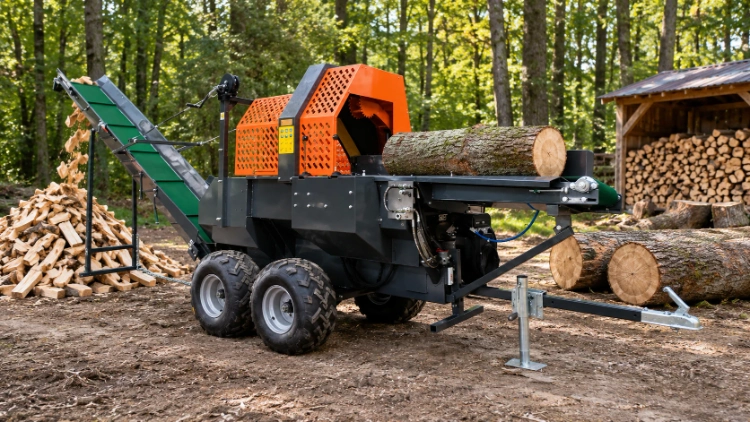
You meet the 20-inch log on a bad day, most of us do. All winter you cut fallen oaks into rounds and split them without complaint, and then one trunk section shows up that your splitter simply won’t open. The grain spirals around an old burl, the round is heavy, and it won’t come apart on any line you strike. That’s the moment tonnage starts to matter. Thirty tons gives a hydraulic splitter enough push that thick hardwood stops being a wall, though nobody should pretend it’s a magic number. Before you start shopping, one thing is worth straightening out: splitting force and log capacity measure different things, and neither one tells you how the machine behaves with a real log on it. If a firewood processor is on your shortlist for a farm or a wooded lot, spend your attention on what happens before the log reaches the wedge and after it leaves. What 30 Tons of Splitting Force Actually Means The rating is the maximum force the splitting side of the machine can produce. It says nothing about what your particular logs will demand. Where the Push Comes From Simple physics underneath it. A hydraulic cylinder drives the wood into a wedge, pressure climbs as the wedge meets resistance, and the log either separates or the system runs into its operating limit first. A straight pine section gives up cheap. A fat oak round with three knots inside it does not. Both could sit on the same machine, and the two jobs feel nothing alike. Then there’s the part near the end of the stroke. Plenty of logs crack open down nearly their whole length and still hold on at the far side, where an old branch joint or a patch of twisted fiber keeps the two halves connected. That is the honest reason maximum force matters. Nobody buys 30 tons just to split the easy pieces sitting on top of the pile. A 20-Inch Log Isn’t Always the Harder Job Diameter alone doesn’t decide much. Big straight-grained logs often come apart easier than people expect. A small section sawn out of a tree fork can fight you the whole way, on the other hand, since the wedge has to cut through fibers running in three directions at once. Species and moisture condition and the way the grain runs all pull on the result. If your place is mostly mature hardwood, go look at the wood you’re actually cutting before picking a machine. A processor rated for big logs needs real force behind the rating, not just a cradle wide enough to hold them. Getting Large Logs Ready for Processing At around 20 inches across, the log itself becomes part of the equipment question. Rounds that size are heavy, they roll, and getting one parked in position takes more out of you than the splitting does. Length deserves a separate look as well. A machine that swallows a wide log can still cap the length of each cut section. Check Diameter and Cutting Length Separately The RM500 ECO takes logs to a maximum diameter of approximately 19.7 inches. Its maximum cutting length is 19.7 inches as well. Two different limits, and buyers mix them up constantly. The diameter number is about how thick a piece of timber the machine can accept. Cutting length sets the longest section you can prepare for the wedge. A stove that burns 16-inch logs does not want every piece at the machine’s maximum. Whatever firewood size you actually stack should drive the cutting setup. Same logic for a fireplace. Measure the firebox first, because longer pieces are rarely the convenient ones. Watch for Crooked and Knotty Timber Staying inside the diameter limit is no guarantee a log will feed cleanly. Shape causes its own trouble. Large branch stubs, ends that were never cut square, and a pronounced sweep running through the length all deserve attention before anything starts. Don’t assume a powerful splitting cylinder can make up for poor positioning. Process firewood week after week and pulling the awkward pieces aside before they reach the machine becomes a habit you keep. The operating instructions are the authority on how each piece should be handled, so read them. Where the RM500 ECO Uses Its 30-Ton Capacity The RM500 ECO cuts and splits in one frame. No second machine for breaking rounds, no dragging sections across the yard. Feeding, cutting and a splitting wedge all ride on the same base. On a property that keeps throwing off larger timber, a setup like that gets a serious look from me. Splitting Force, Cylinder Size, and Pump Flow The RM500 ECO carries a 30-ton maximum splitting force rating. Hydraulics: a 4.5-inch cylinder with a pump flow of approximately 13.2 gallons per minute, per the spec sheet. Those numbers aren’t interchangeable, and mixing them up is where most shopping conversations go wrong. Pump flow is a measure of how much hydraulic oil moves through the system. Splitting force is something else: hydraulic pressure working against cylinder dimensions. Then there’s the six-second splitting cycle in the spec. That number belongs to the splitting mechanism. A whole log takes considerably longer than that. A thick trunk may need several cuts, and every section rides the wedge on its own trip. How long the log really takes depends on the material and the order of operations. What the Six-Way Splitting Knife Does The RM500 ECO is listed with a six-way splitting knife. For a suitable round, that knife can divide the wood into several pieces during one splitting stroke. It earns its keep on sections that would otherwise need several separate passes through a conventional wedge. Just don’t expect matching dimensions out the other end. A fairly round log divides into similar-sized pieces. Put an irregular hardwood section through the same knife, though, and the outcome changes; the wood gets the final say, not the knife. Watch what comes off the machine. Anything oversized may need a second pass, especially when your stove mouth is small. Following a Log Through the Machine Everyone talks about the splitting cylinder. Feeding and discharge don’t get much talk, yet they’re what decides how timber moves through the processor. Feeding and Cutting, Hydraulically The feeding section on an RM500 ECO runs approximately 70.9 inches long and 15.4 inches wide. That section pushes timber toward the cutting area. Long logs make a dedicated feeding mechanism a relief, since the wood gets too awkward to inch forward by hand. The machine’s specification lists manual controls. You still manage the operating sequence, and each log still has to be correctly positioned before anything moves. Power, as standard, is a 27 HP gasoline engine. An electric motor option is also listed, so check what supply you have on site before you order. Moving Split Firewood Away From the Wedge Finished wood needs somewhere to go. The RM500 ECO includes a standard discharge conveyor approximately 11.5 feet long, with a belt around 11.8 inches wide, carrying split pieces away from the processing area toward a collection point. A trailer works, a bin works, a prepared stacking area works. What fits best depends on the space around your machine. Bark, sawdust and small chips ride along with freshly processed wood, and that’s normal. Some folks screen the loose material out before storage, which is a separate step in itself. Know what screening buys you, though. Debris comes out; nothing dries. Fresh firewood still needs suitable seasoning conditions before it burns. Choosing a Processor for Your Property A 30-ton machine is overkill for plenty of households. Someone splitting a few small logs each winter will be happier with a simpler splitter. The RM500 ECO suits the situation where wood gets processed in substantial quantity, regularly. Fit the Machine to the Work You Actually Do Start with the timber you usually handle, not the biggest standing tree on the property. If nearly everything you cut comes small and straight, a large processor is simply more machine than the job needs. Thick hardwood trunks every season change the math, and cutting capacity plus the hydraulic system start to matter. Space is the quiet factor. We’re talking roughly 2,205 pounds for the RM500 ECO, so think through where it will run and how it moves. Give yourself room on every side: incoming logs in front, the discharge conveyor out back, finished firewood somewhere it can pile. Should your work call for something smaller or set up differently, the forestry equipment range lists other machines to compare against. Check the Machine Configuration Before Ordering Then confirm the practical items one at a time before signing anything. Engine, splitting knife, feeding system, conveyor arrangement. RIMA builds forestry and agricultural equipment; firewood processors, log splitters, sawmills and wood chippers all sit in the catalog. The company’s been running since 2002. That span of machinery manufacturing covers equipment development, customization, and whatever customer support has to follow a machine. On the RM500 ECO, ask what configuration exists for your market, then ask for the maintenance instructions and a conversation about replacement parts. None of that is glamorous. All of it decides whether the machine still works three firewood seasons out. Conclusion Thirty tons earns its keep when large hardwood logs are a regular part of your supply. Knots and difficult grain are where the extra force pays, though the wood always gets a vote on the result. That splitting force rides with a 19.7-inch maximum log diameter, hydraulic feeding, a six-way splitting knife and a discharge conveyor on the RM500 ECO. Judging by the spec sheet, this machine is meant for farms and wooded properties with substantial firewood needs. Put the machine against your usual log sizes and your actual working space before deciding. And confirm service support, configuration and maintenance requirements with the manufacturer directly. FAQ Is 30 Tons Enough for a 19.7-Inch Log? Rated numbers first: the RM500 ECO takes logs up to 19.7 inches in diameter, with 30 tons of maximum splitting force. Some of those logs will still fight you, since wood density, knots and grain direction each get a vote, and a few need extra handling. Must Every Big Log Use All 30 Tons? No. Straight-grained softwood opens with far less force than dense hardwood packed with knots. The hydraulic system builds pressure against whatever resistance it meets, up to the rated operating limit. What Is the Maximum Log Size for the RM500 ECO? The maximum rated log diameter is approximately 19.7 inches, and the maximum cutting length sits at approximately 19.7 inches too. The log also has to suit the machine’s feeding and cutting arrangement. Can the RM500 ECO Be Used for Home Firewood Preparation? Yes, particularly farms and wooded properties that put up substantial firewood regularly. For the odd small log, honestly, a compact splitter is the better buy. Does the Six-Second Cycle Cover Cutting and Feeding? It doesn’t. Six seconds describes the splitting cycle. Feeding, cutting and hauling the finished pieces away are separate operations, so a complete log takes as long as it takes.

Narrow Garden Gates, Limited Space: How a Compact Wood Chipper Handles Branch Processing

04
November
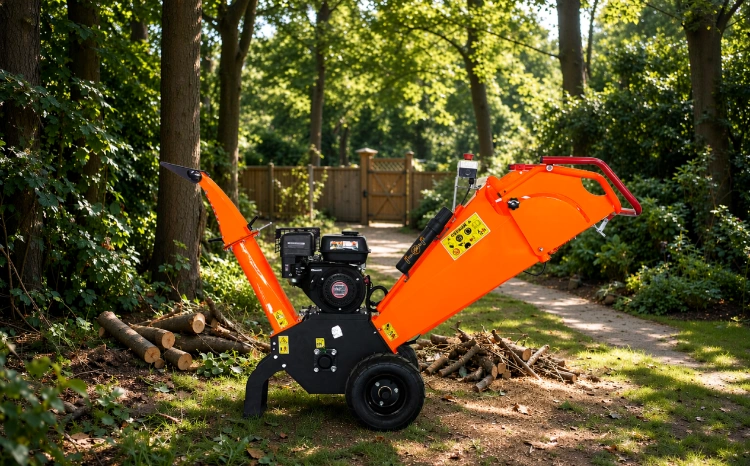
A garden gate is what, 30 to 36 inches across? And that’s exactly where most branch piles end up — behind it. Hauling the stuff out armful by armful eats a whole Saturday, and half the neighborhoods out there won’t let you burn anyway. A compact wood chipper shortcuts the whole mess. The 4-inch petrol class weighs roughly 205 pounds, one person can roll it through a gate on air-filled tires, and it chips branches right where they dropped. You feed, it cuts, the pile disappears. What follows is the capacity question, the moving-and-storing question, and the checks I’d run before handing over money for one. What Counts as a Compact Wood Chipper The class is easy to spot once you know the shape of it. Walk-behind frame, petrol engine in the 196 cc neighborhood (4.1 kW on this one), chipping rating sitting near 4 inches, wheels with air in them instead of a tow hitch for your tractor. Petrol, corded electric, or PTO — that choice decides where you can actually run the machine, and I’d settle it first. We put the three power types side by side in an earlier post, so I’ll skip repeating it here. Mechanically, nothing exotic happens inside. Branch goes in the hopper, twin hardened steel blades cut at it, chips fly out the discharge and land where you aimed. Blade speed in this class runs about 2,400 rpm. What actually separates a machine you’ll like from one you’ll cuss at? Blade steel, blade condition, and how much pushing the machine makes you do. That’s it. What a 4-Inch Branch Capacity Covers Four inches. Call it 100 mm if you think in metric. That rating decides everything about what you can feed, so let’s be concrete about it. Pruning cuts? Fine. Hedge trimmings, the twiggy stuff after you fell a small tree, storm branches off the lawn? All fine. Dry hardwood feeds slower than green softwood — a knotty oak limb wants patience, a fresh pine branch basically feeds itself. What it won’t take is the other end of the log. Trunk sections, limb bases thicker than the rating, anything you have to stand on to break. That’s bigger-machine territory, and I mean that literally: 6- and 8-inch PTO machines, or the 150 mm towable sort. There’s a whole post on when the 150 mm class starts making sense, with the money math included. But if your branch piles are the usual suburban sort — under 4 inches, annoying, endless — the compact class isn’t a compromise. It’s just the right size. One more thing worth knowing: the twin blades are reversible. When an edge wears, you flip the blade over and you’ve got a fresh cutting edge. Two blades, two edges each — that’s four working edges before anybody touches a grinder. Through the Gate and Into the Shed Now the part nobody puts on a billboard. Can you actually get the thing to the branches? The CS-100 ships at roughly 35 by 30 by 48 inches packed, 93 kg all in — 205 pounds, give or take. Nobody deadlifts that comfortably, but you don’t have to. Tip it back onto its pneumatic tires and it rolls: through the gate, down the side path, over lawn and gravel, right up to the pile. Try that with a towable machine. You can’t, and dragging branches out to the driveway instead is exactly the work you bought a chipper to quit doing. Chips land where you want them too. The discharge chute swings a full 360 degrees, so the wheelbarrow, the compost corner, or the bed you’re mulching — your call, and you re-aim as the pile grows. Storage is the same story in miniature: it tucks into a shed corner and the tarpaulin that comes in the box goes over it. Your garden stays a garden. A Short Checklist Before You Buy Five checks. That’s the whole list, and none of them need a manual. Check this first Why bother The usual small-yard answer The narrowest gap on the route The machine goes to the branches. Not the reverse. A compact chipper clears a standard garden gate How thick your branches get The rating is what the engine chews without complaint Pruning and storm debris mostly stays under 4 inches Engine and starter Petrol runs anywhere. A pull start means no battery to die on you 4.1 kW / 196 cc petrol, pull start Where the chips can go Aimed chips are tidy. Unaimed ones are a chore 360-degree swivel discharge What’s actually in the box Saves a second trip to the store Goggles, ear defenders, tarpaulin, toolbox About the maker, since it matters here. RIMA builds the whole family — firewood processors, sawmills, chippers, stump grinders — and ships them all over; their main site lists the range. The CS-100 is the portable end of that line, and it’s aimed squarely at landscapers, tree surgeons, and homeowners whose gardens have gates in them. If 4 inches sounds tight for your place, the bigger CS models sit on the same category page. So where’s the line? Honestly, it’s not complicated. Suburban lot, branch piles that come back every season, storage measured in spare corners — get the compact petrol machine. You’ll use it, and it won’t swallow the yard. Got trunks to process, or a tractor sitting there with PTO hours to burn? Step up a class. The money turns into saved time fast enough. Buy for the branches you actually get. Not the fantasy firewood empire. Still torn on the sizing? RIMA’s service team will match the machine to your gate, your branches, and your shed. Free of drama. FAQ Will a compact wood chipper handle hardwood branches? Within the rating? Yes. The CS-100 runs twin reversible hardened steel blades, and hardwood or softwood both come out clean so long as the branch stays under 4 inches. Seasoned oak wants slow, steady feeding — a green pine branch practically feeds itself. Don’t shove. Let the blades take bites. That’s the whole technique, honestly. Can one person move a 205-pound chipper around a yard? Roll it? Yes. Lift it? No. The pneumatic tires carry the 93 kg frame over grass and gravel without drama, and tip the machine back onto its wheels and one operator can steer it through gates, down paths, around the rose bed. Two people only if there’s a step to heave it over. Day to day you’re just rolling it. One-person job. What comes included with the CS-100? Goggles, hearing protection, a tarpaulin, a toolbox. Small stuff — but think about it. Ear and eye protection belong on every session anyway. The tarp covers the machine between uses. The toolbox gives the spanners a home right next to the machine, so nobody hunts through the garage at 9 a.m. on a Saturday. Nice not to buy that kit after the fact. How noisy is a petrol wood chipper? Loud. Petrol engines swinging steel blades always are, which is why ear defenders ship in the box — use them, every session. Two habits keep the annoyance down: work in the open where the sound spreads instead of bouncing off walls, and pick your hours with the neighbors in mind. It’s a Saturday-afternoon noise, not a 7 a.m. one. Where should the wood chips end up? Wherever you point the chute, which is the fun part. Fresh chips work as mulch on beds and paths, they bulk out a compost pile, or they ride off in the wheelbarrow. Swing the discharge around as each pile grows so nothing spills over your boots — and if you lay a tarp down first, cleanup takes about ten seconds.  

Selling Firewood or Selling Sawdust? Why Screening Matters More Than You Think

28
October
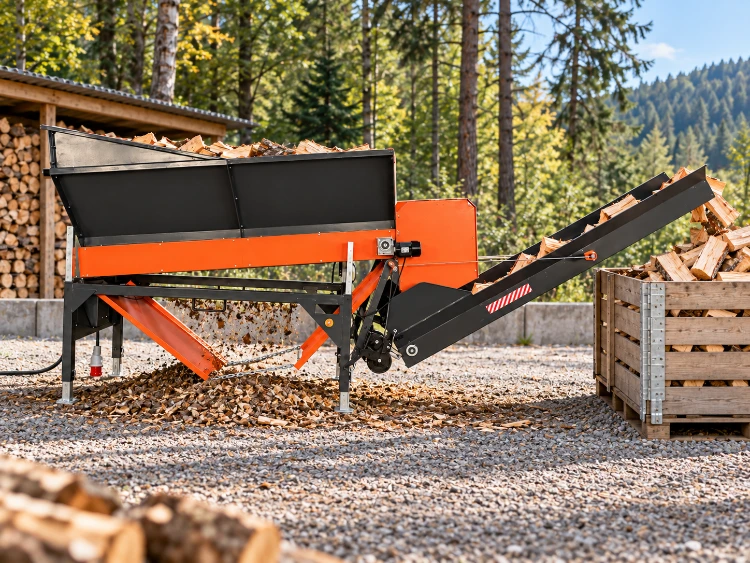
Cutting and splitting firewood over a weekend, I had visualized an orderly pile of logs, ready for storage or transport. But the reality of moving a few of them into a basket to take indoors reveals all the sawdust, loose bark, splinters and small chips of wood that I had not seen when I thought the work was done. Some debris is inevitable when splitting firewood. The debris that collects at the bottom of every bag or on the floor of every trailer is not inevitable and becomes very bothersome. Whether you’re using firewood for your own home during the winter months or selling loads of wood from your property, screening the wood can make a big difference. It allows you to sort out the good logs from the debris before it leaves your property. Why Clean Firewood Needs More Than Proper Splitting Even after splitting your firewood into logs of convenient size, much that fell during cutting will remain between the logs until you move them. Remove Loose Bark and Sawdust Before Delivery Recently split firewood often contains pieces of bark, sawdust, and broken wood fibers. Rougher hardwoods can generate lots of small chips, many of which will be already detached from the logs by the loose bark. Pieces like these get left in the spaces between the logs. A clean looking pile of firewood can have quite a bit of debris down at the bottom. The loose material in your firewood is removed by a firewood screener before it is placed in bags, bins or trailers. The process does not alter the firewood. The screener simply removes the unwanted fragments that would normally travel with the firewood. Keep the Finished Load Focused on Usable Firewood When you are bringing in a basket of logs to put in the living room for the stove you want to bring enough and not a trail of sawdust behind you. It makes no difference if you are giving a pile of firewood to a neighbor or delivering a small load of firewood to a customer, the loose debris makes unloading a mess and adds to the after cleaning up. Our rough screened wood products still have their natural bark and uneven surfaces. We don’t try to make them look polished. Removing loose debris makes them easier to move around and store. How Screening Changes the Value of a Firewood Load A clean load doesn’t necessarily mean more money for you, although for home users it can mean a cleaner woodshed. For those selling firewood, presentation is also worth something. Present a Cleaner and More Consistent Product Imagine two bags containing the same amount of split hardwood. One of them has a thick layer of bark flakes and sawdust at the bottom, the other is made up of mostly clean logs. This bag is more desirable than the previous one, even if it contains the same amount of dry wood. Screening firewood helps to create a consistent product that customers can easily recognize when purchasing. It also prevents you from delivering loads of loose debris mixed in with firewood. Customers typically unload wood at their homes, and want to see what they are getting before they spread it out. Make Better Use of Wood Debris Not everything removed during screening needs to be discarded. Clean dry bark and suitable sized wood chips can on occasions be saved up as kindling. These should be stored separately from fine sawdust, dirty material and any soiled material such as with soil on it etc. Screening out materials as you gather them allows you to sort them before they end up under your finished firewood pile instead. The available firewood screener range offers options for different wood-processing setups. How the Electric Firewood Screener 251018 Works Handling large quantities of firewood on a seasonal basis can make hand sorting of each log quickly become impractical. A dedicated screener will provide a more consistent method of separating loose debris from sound wood. Separate Wood Debris With a Dedicated Screening System The Electric Firewood Screener 251018 uses an electrically powered screening system to remove items like loose bark, sawdust, dirt and small pieces of wood from split firewood. This section of the firewood processor measures 100.8″ long x 21.5″ wide, and contains 16 screening discs. As the firewood moves through the processing system, smaller loose pieces will separate from the larger logs. The equipment is particularly suited to firewood shorter than approximately 19.7 inches. That makes it relevant to many common stove-length logs, although you should check your actual wood dimensions before choosing the machine. Use Electric Power for Screening and Outfeed 251018 is equipped with separate 0.55 kW electric motors for screening and outfeed conveying. These parts are designed to complete their individual tasks. Power is supplied in 2 configurations: 220V and 380V 3-phase 50Hz electricity. As opposed to a normal household socket, most household outlets do not have the required power to connect a screener. Thus, you must check for power capability prior to purchasing a screener. For the average property with fixed power and a regular wood-processing area, the electric option can provide an acceptable solution. No hydraulics required on the tractor for this model. Where Screening Fits Into Everyday Firewood Production Screening debris does not necessarily have to become a major aspect of your firewood collection efforts. Identify the point in the process where removing debris will be of greatest value to you. Screen Firewood After Splitting or Before Storage Screening immediately after splitting the wood is a good idea, if you intend to keep fresh wood chips and bark out of your drying area. The cleaned-up logs can then be stacked in a covered, well-ventilated area. The bark can come loose as the wood dries. So if you have stored firewood for several months, there may be more debris to cart around when you put it in baskets or bags. Additional screening can be beneficial in this case. Firewood can be fed to the screening equipment from processing lines or from stored material which is transferred to the machine with suitable handling equipment. Dry firewood screening can still help remove bark and small fragments loosened during storage. Remember, screening does not replace seasoning. Wood still requires sufficient time to dry, good airflow, and protection from the rain. Move Screened Firewood With an Adjustable Conveyor Once all the loose debris has been cleared from the logs, there has to be somewhere for the cleaned logs to go. The 251018 has an outfeed conveyor. The outfeed conveyor is approximately 9.8 feet long and 16.5 inches wide. The outfeed conveyor can be set at an angle of 15 degrees in either direction. The outfeed conveyor also has an adjustable speed. Outlets are typically positioned to direct discharge into suitable containers or storage areas. Consider the discharge height and surroundings prior to installation. Placing a wood screener before the firewood conveyor can help keep loose debris out of the next handling stage. What Makes a Firewood Screener Worth Adding to Your Yard? You should select a machine to process the amount of firewood you prepare, and have space to put it. There is little need for a powered screener to process small quantities of wood which are split once a year. Match the Machine to Your Firewood Size and Space This is a large piece of equipment. Measuring 18.7 feet long by 4.9 feet wide with a conveyor the 251018 weighs in at approximately 2,150 lbs. Measuring the space where the machine will be used, and how logs will enter the screening section, is essential prior to purchasing. Space must also be allowed for the receiving container for logs, for the resulting debris, for access and for maintenance. The adjustable stand height allows for considerable flexibility in how the unit is configured but a solid floor and sufficient clearance are still required. You may consider investing in a powered screener if you have a large household wood supply, use equipment on various properties, or produce firewood for local customers and regularly process it. Choose Equipment That Fits Your Existing Setup Perhaps you already own a log splitter and have a method in place for drying and storing logs. A screener can help to enhance the existing system rather than cause problems. RIMA produces machinery for the Forestry and Agricultural industries. Cut, split, convey or move wood with our wide range of equipment. RIMA’s Forestry Equipment can be used at any stage of wood preparation. The range can also be used to improve or complete an existing setup. In addition to designing and manufacturing equipment, we conduct quality control and provide technical assistance. Our background in manufacturing and examples of applications for equipment at various properties can help you compare options. When done correctly, screening can become a part of the normal firewood management process, between splitting and stacking. Conclusion A few flakes of bark in a load of firewood is no problem but every load brings a load of sawdust, dirt and small wood bits. A little extra cleaning up is required. The Electric Firewood Screener 251018 allows you to remove loose debris from the firewood as it is being moved to store or collect. Ideal for large properties with plenty of split wood, it features an electric screening system and adjustable outfeed conveyor. Screening still needs to be done to properly dry and store firewood, but this helps to keep loose debris out of the final pile of firewood. We can help you choose the correct configuration, please refer to our equipment service and support page or contact our team to discuss your requirements in relation to firewood size, space available and electrical supply. FAQ What Does an Electric Firewood Screener Remove From Firewood? An electric firewood screener removes loose bark, sawdust, small wood chips, dirt, etc. It removes much of the debris from your firewood load, but there will always be some small particles and some pieces of bark that are attached to the wood. Can You Screen Firewood After It Has Already Dried? Yes. Further bark and wood debris can become loose when firewood is dried and moved. Screening stored firewood can help to remove excess debris. It’s especially useful to do this before moving logs into newly cleaned firewood storage bins or when getting ready to deliver logs. Does the Electric Firewood Screener 251018 Need a Tractor to Operate? The 251018 uses electric motors to drive the screen and to convey product. It requires a three phase electrical supply and you must check the capability of the electrical supply at your property before ordering. What Size Firewood Is Suitable for the 251018 Screener? The Screening System is designed for splitting firewood that is shorter than approximately 19.7 inches in length. Check the typical length of your firewood and compare it with the equipment’s feed length to confirm suitability. Does Screening Firewood Help It Dry Faster? Clearing loose debris from a drying stack can keep it clean and help prevent small fragments getting lodged between logs. However, screening does not remove moisture from wood. As with any drying method, a correctly stacked, well ventilated, weather protected pile of wood needs to be allowed time to dry.  
Products
Contacts
WhatsApp
Email